

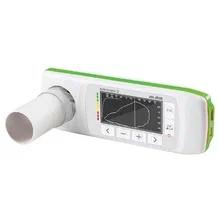
A spirometer is a medical device designed to measure the volume of air inhaled into the lungs and the volume of air exhaled from the lungs. Spirometers are used to diagnose various lung diseases, such as chronic obstructive pulmonary disease (COPD), bronchial asthma, cystic fibrosis, and others.
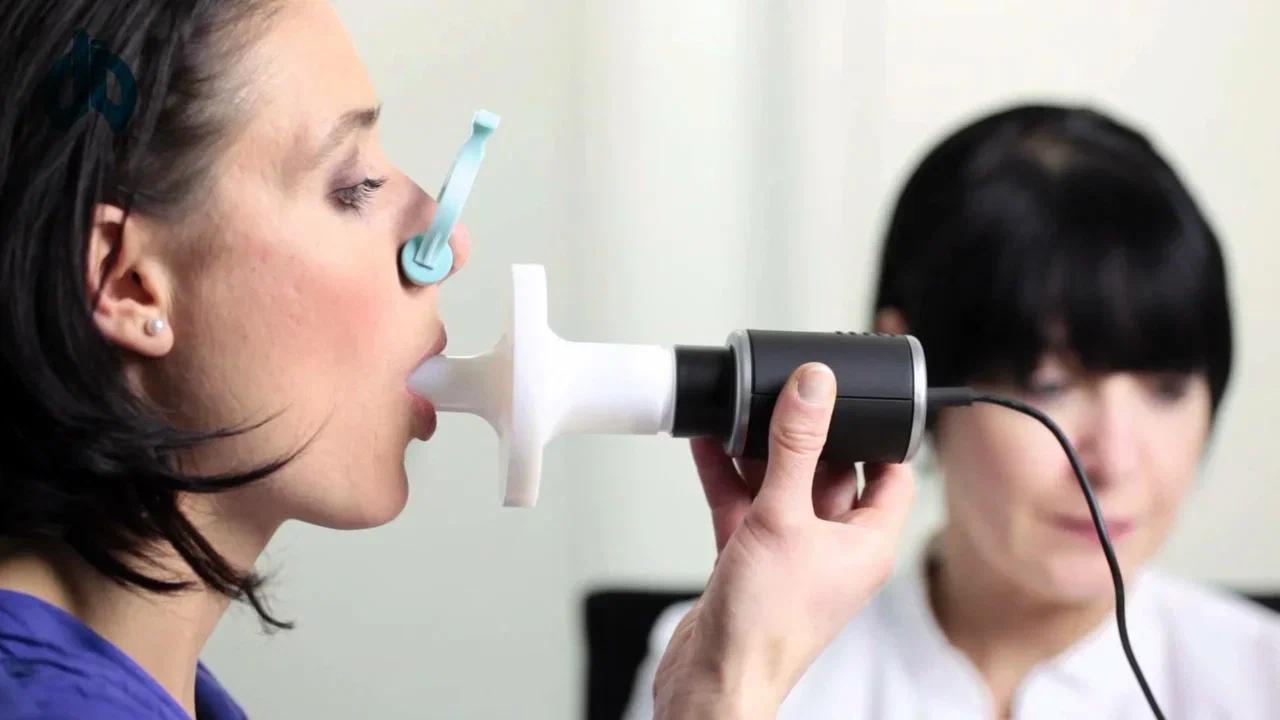
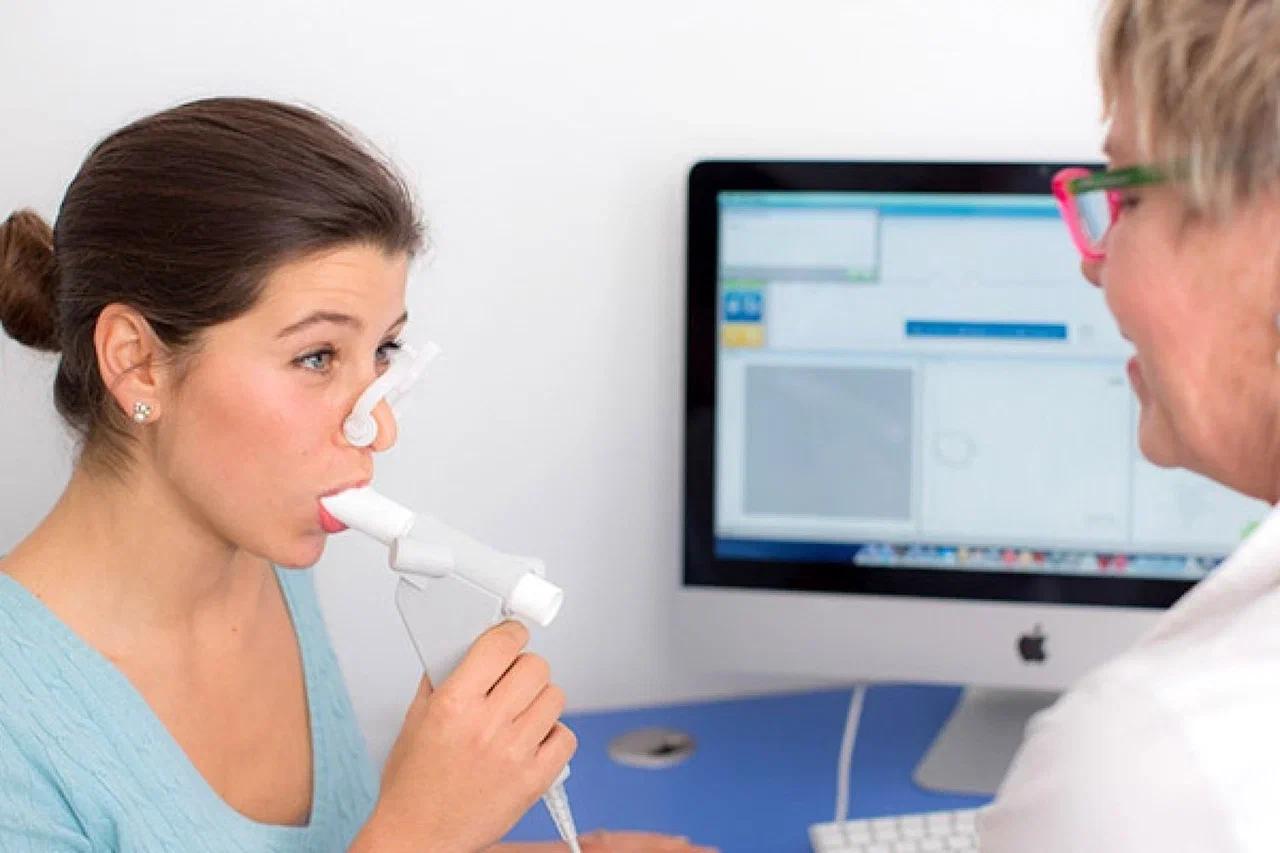
The patient breathes through the spirometer's mouthpiece, which is connected to an airflow sensor. The sensor measures the volume and speed of the airflow and transmits this information to a computer or other processing device. The resulting data is used to build a graph called a spirogram. Spirometers are used to diagnose and monitor lung diseases, as well as to evaluate the effectiveness of their treatment. Spirometry is a safe and painless diagnostic method with no contraindications.
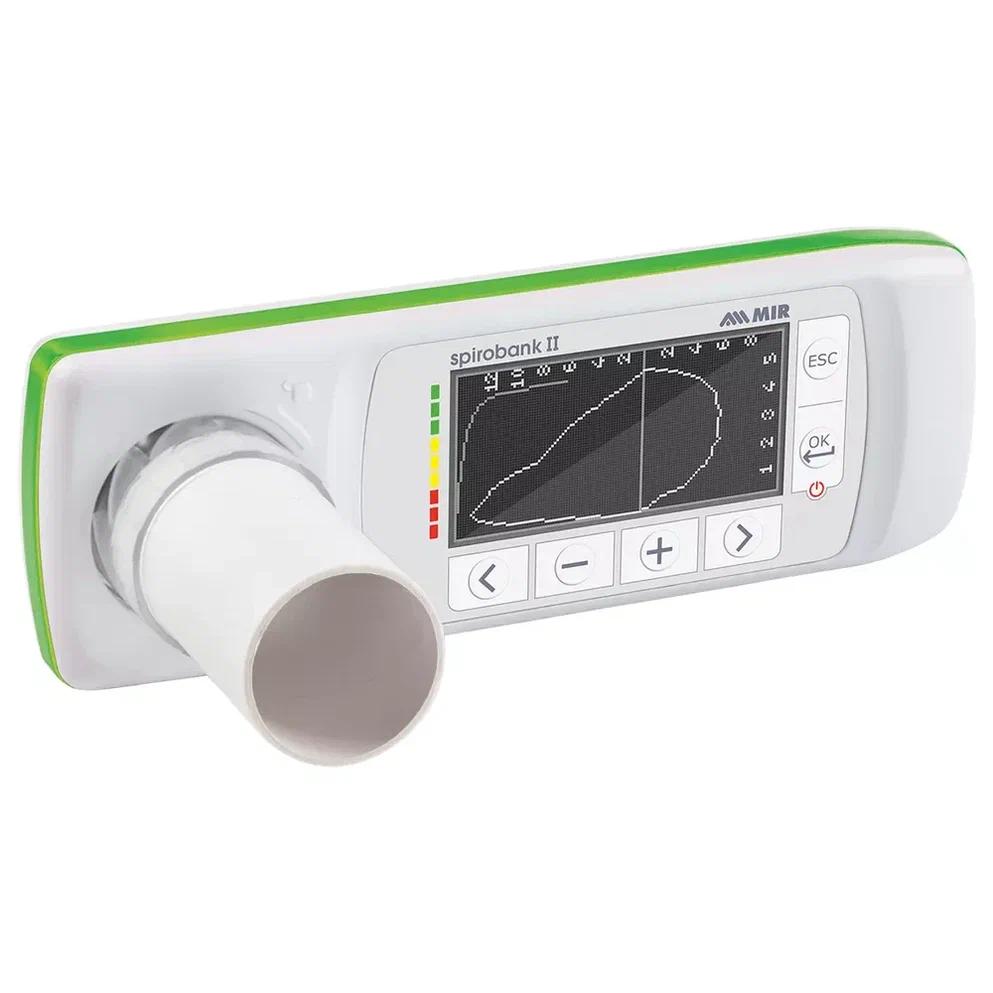
There are various types of spirometers that differ in their characteristics and capabilities. For example, portable spirometers are designed for home or outpatient use, while stationary spirometers are used in hospitals and clinics. Spirometers may be equipped with various functions, such as measuring forced vital capacity (FVC), forced expiratory volume in one second (FEV1), peak expiratory flow (PEF), and others. Spirometers can be analog or digital. Analog spirometers use mechanical sensors to measure airflow, while digital spirometers use electronic sensors.