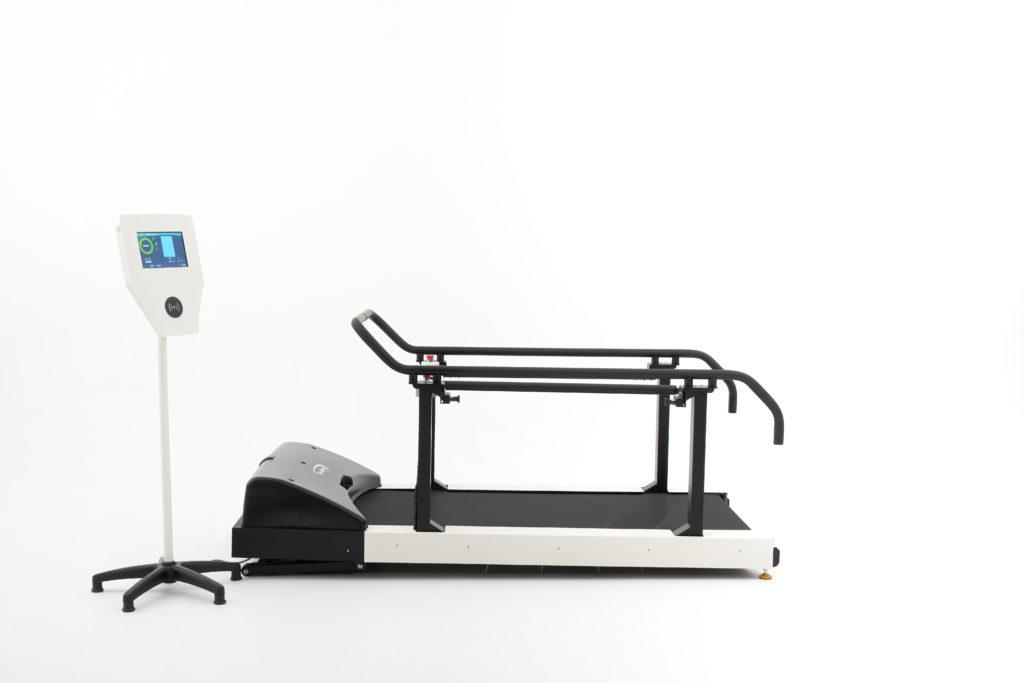
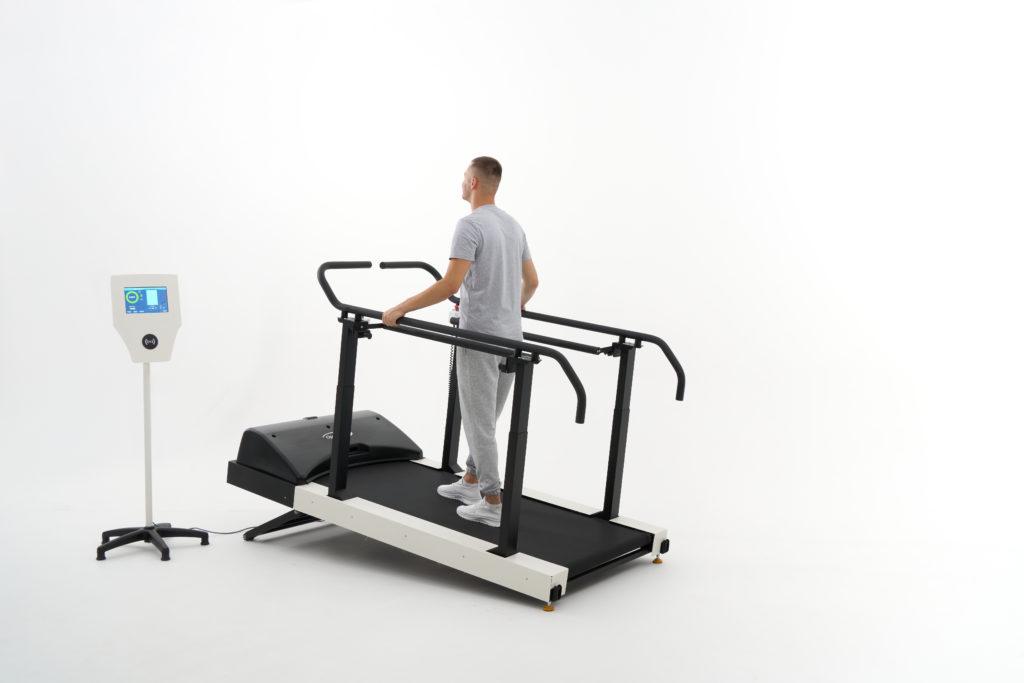
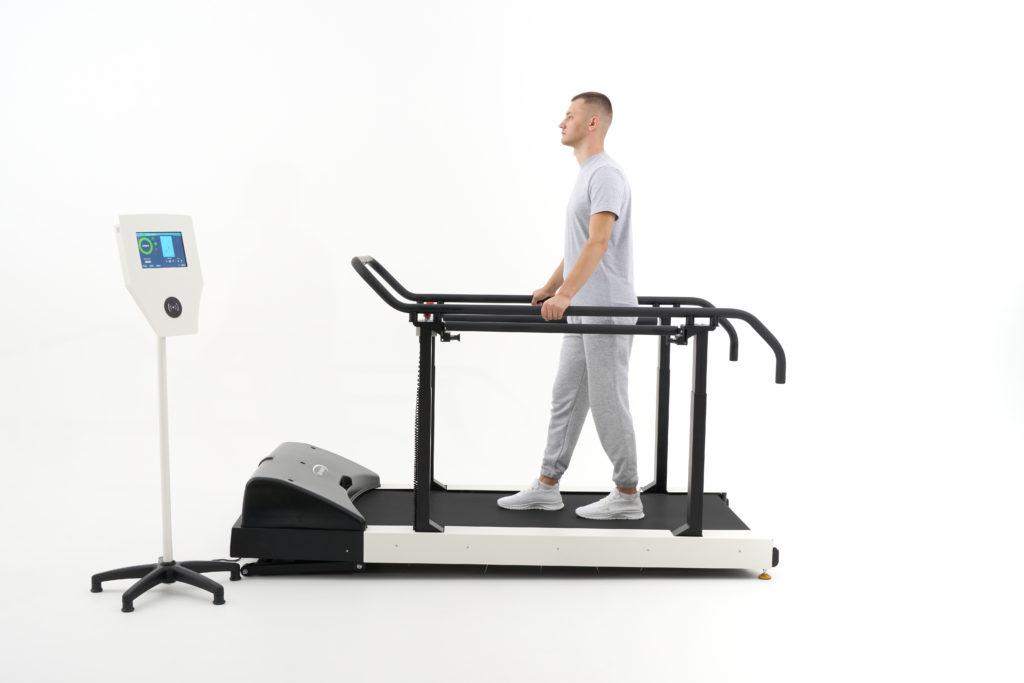
ORTORENT Standard Rehabilitation Treadmill with Biofeedback
Price:
- On request
Specifications:
- Maximum load capacity - 150 kg
- Type - rehabilitation treadmill with biofeedback
- Dimensions - 2000 x 1000 x 1500 mm
- Weight - 140 kg
- Country of origin - Russia
- Medical device type code - 147360
- Order of the Ministry of Health of the Russian Federation - 878Н
Description
Patient comfort and safety are top priorities when using patient lifts. Smooth, careful movement avoids sudden jolts, which is especially important for people with limited mobility. This reduces the risk of injury and ensures a more comfortable position for the patient.
Reducing strain on medical staff is one of the key functions of patient lifts. Using specialized equipment, nurses and orderlies can safely move patients without excessive physical effort. This helps prevent occupational back and joint injuries.
Patient lifts also enable independent movement. Patients can transfer themselves from a bed to a chair or gurney, which helps preserve residual mobility and significantly improves quality of life.
Key Advantages
- - An intelligent biofeedback system precisely synchronizes belt speed with the patient's stride. This ensures maximally effective recovery of motor function, while the system continuously monitors the patient's condition and automatically adjusts the training mode in real time.;
- - An individualized approach to rehabilitation is achieved by adjusting speed from a minimum of 0.1 km/h to a maximum of 13 km/h in increments of just 0.1 km/h. Handrail height adjusts precisely to the patient's stature, and built-in motivational games make the rehabilitation process more engaging.;
- - Comprehensive safety is ensured by a laser radar system protecting against overstepping and emergency stop buttons on both sides of the treadmill. Belt speed is synchronized with the patient's vital signs via heart rate, ECG, and pulse oximeter sensors, making training as safe as possible.;
- - Broad applicability makes the treadmill suitable for various departments: neurorehabilitation, orthopedic rehabilitation, and cardiology. It can be used in medical and preventive care facilities as well as in rehabilitation gyms and physical therapy rooms.;
- - Recovery effectiveness is confirmed by its applicability to various conditions: post-stroke, after joint replacement, and for activating bedridden patients. The treadmill helps improve muscle tone, coordination, and balance, and restores proprioceptive sensitivity in the limbs.;
- - Advanced visualization capabilities include preinstalled software with additional motivational programs. When paired with a projector, visualization can be displayed directly on the treadmill belt, increasing patient motivation and supporting more effective exercise performance..