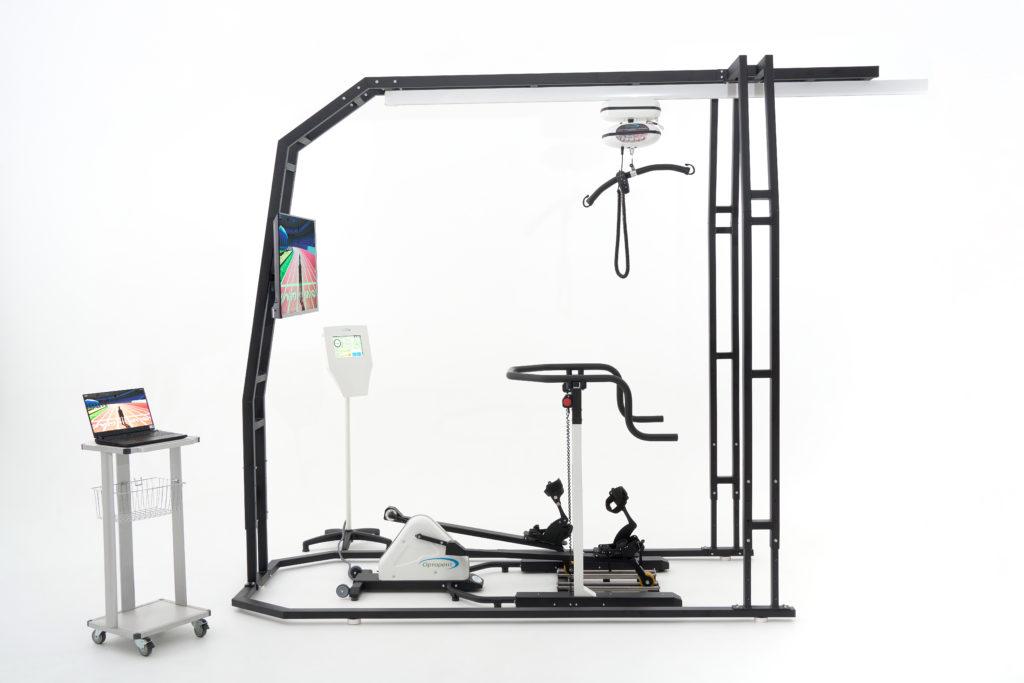
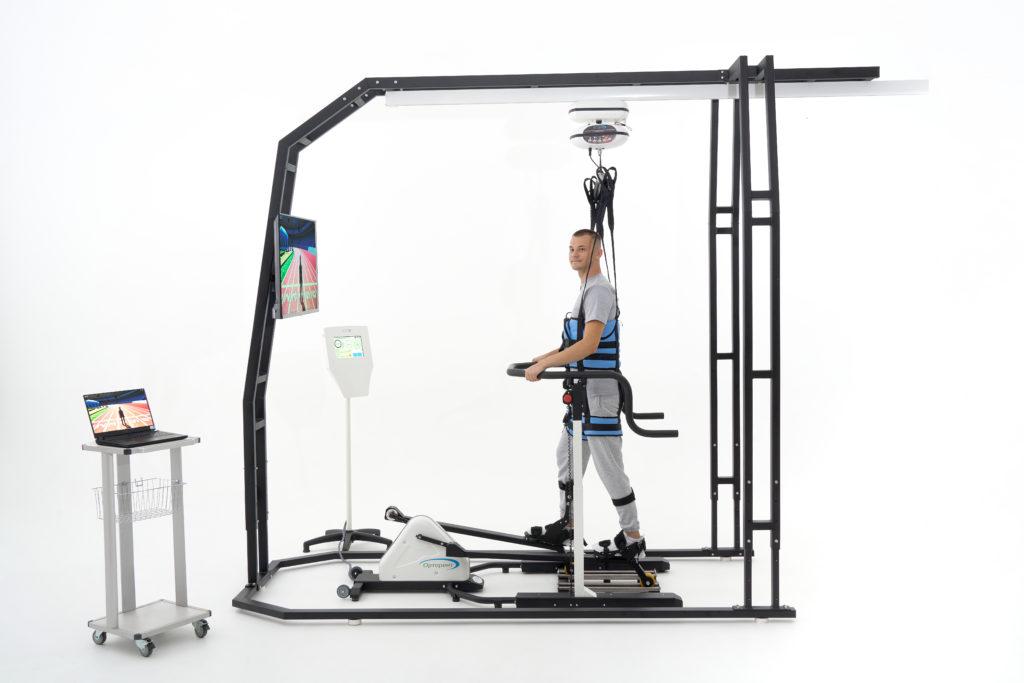
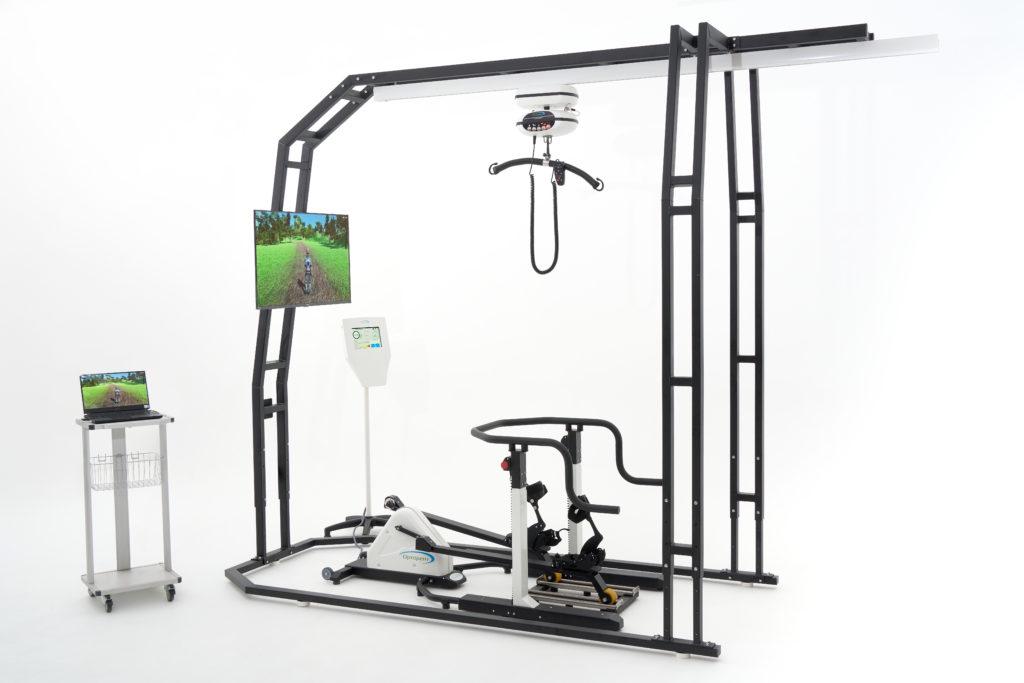
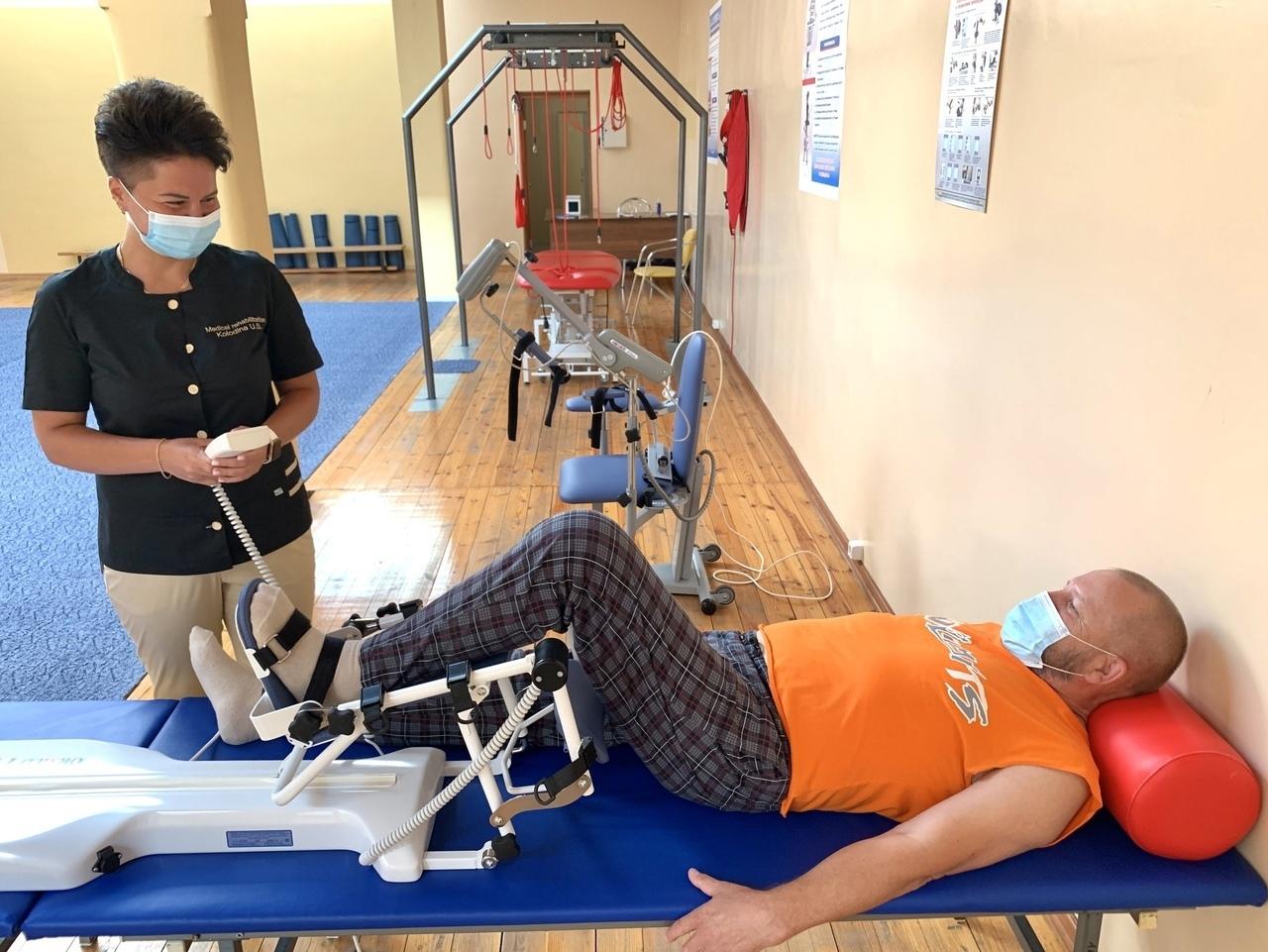
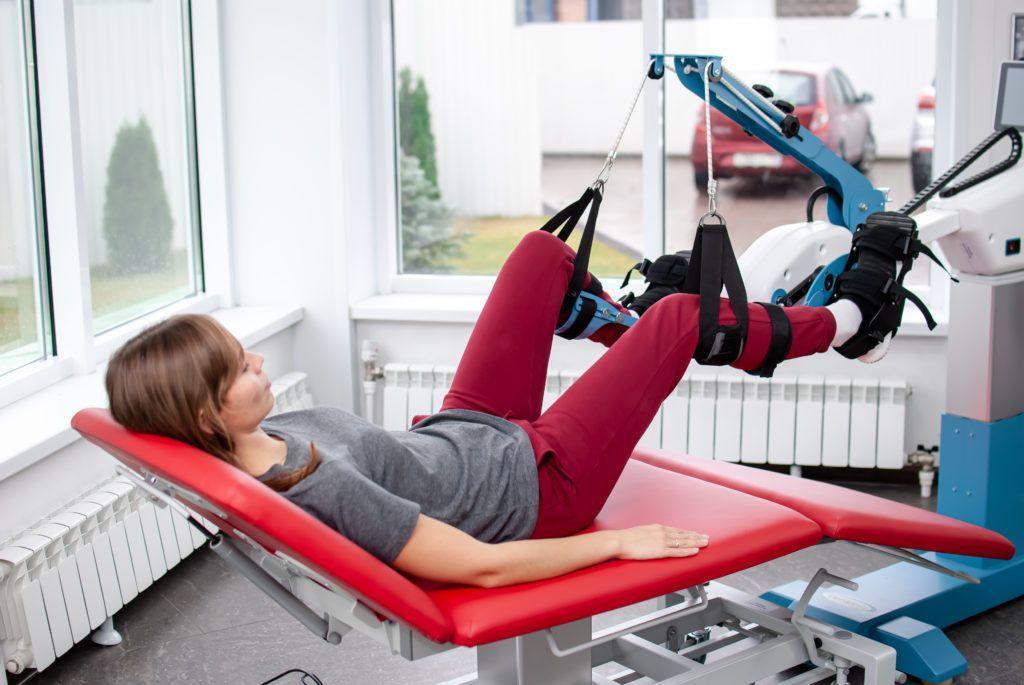
ORTORENT C++ Rehabilitation Verticalization Harness (stationary, with robotic kinematic gait-simulation system)
Price:
- On request
Specifications:
- Maximum load capacity - 200 kg
- Type - stationary, with a robotic gait-simulation system
- Dimensions - 2500 x 1500 x 2800 mm
- Weight - 500 kg
- Country of origin - Russia
- Medical device type code - 147370
- Order of the Ministry of Health of the Russian Federation - 788Н
Description
Patient comfort and safety are top priorities when using patient lifts. Smooth, careful movement avoids sudden jolts, which is especially important for people with limited mobility. This reduces the risk of injury and ensures a more comfortable position for the patient.
Reducing strain on medical staff is one of the key functions of patient lifts. Using specialized equipment, nurses and orderlies can safely move patients without excessive physical effort. This helps prevent occupational back and joint injuries.
Patient lifts also enable independent movement. Patients can transfer themselves from a bed to a chair or gurney, which helps preserve residual mobility and significantly improves quality of life.
Key Advantages
- - An automated verticalization system allows training even with patients who have completely lost the ability to stand and walk. The device handles all the mechanical work of verticalization, providing smooth and safe movement of the patient.;
- - Broad applicability makes the device suitable for various fields of medicine: orthopedics, traumatology, neurology, post-stroke rehabilitation, treatment of joint diseases, and recovery after musculoskeletal injuries;
- - An individualized approach to rehabilitation is ensured by: three harness vest sizes, the ability to create personal training programs, a spasm-control system with automatic stop, and adaptation to any patient body type;
- - High therapeutic effectiveness is confirmed by the following results: significant increase in muscle strength, improved sensitivity, reduction of pain, improved overall musculoskeletal tone, improved psycho-emotional state, and joint mobilization after prosthetic surgery;
- - Technological advantages include: wireless data transmission technology, Kolibri sensors for improved biofeedback quality, a modern control interface, the ability to create and save individual programs, and automated control of the rehabilitation process;
- - Ease of use is characterized by: quick learning curve for medical staff, installability in any room, universal compatibility with other therapeutic practices, an optimal price-to-quality ratio compared to foreign analogues, and manufacturer warranty and support.