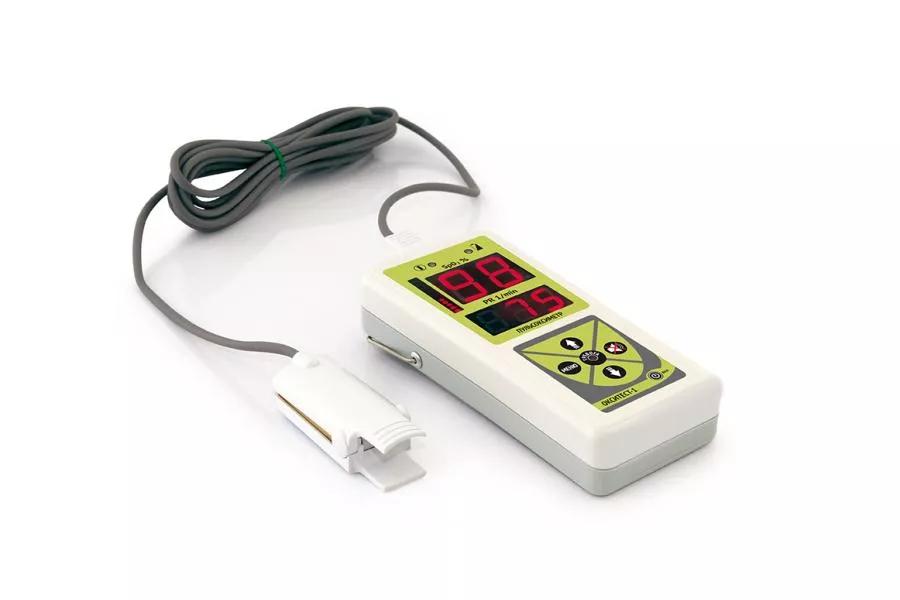
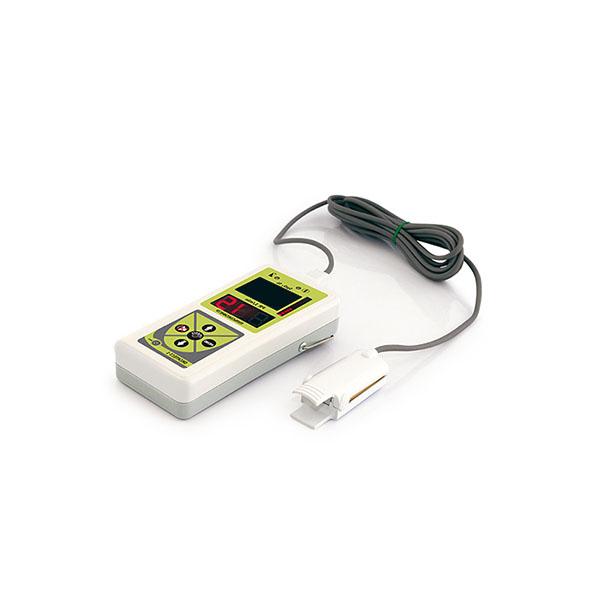
Oxytest-1 Portable Pulse Oximeter
Price:
- On request
Specifications:
- Measurement range - 85-100% ±2% in 1% increments; 60-84% ±3% in 1% increments; SpO2 and heart rate data refresh rate: 10 sec
- Measured parameters - blood oxygen level (SpO2) and pulse rate (PR)
- Battery life - at least 50 hours
- Dimensions - 13.7 x 6.4 x 2.7 cm
- Weight - 300 g
- Country of origin - Russia
- Medical device type code - 149980
Description
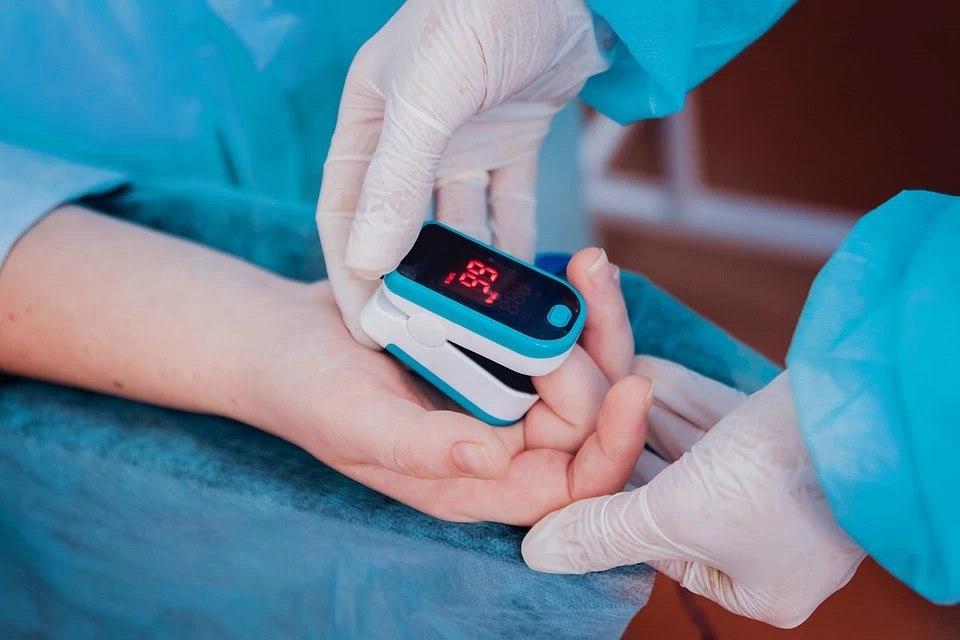
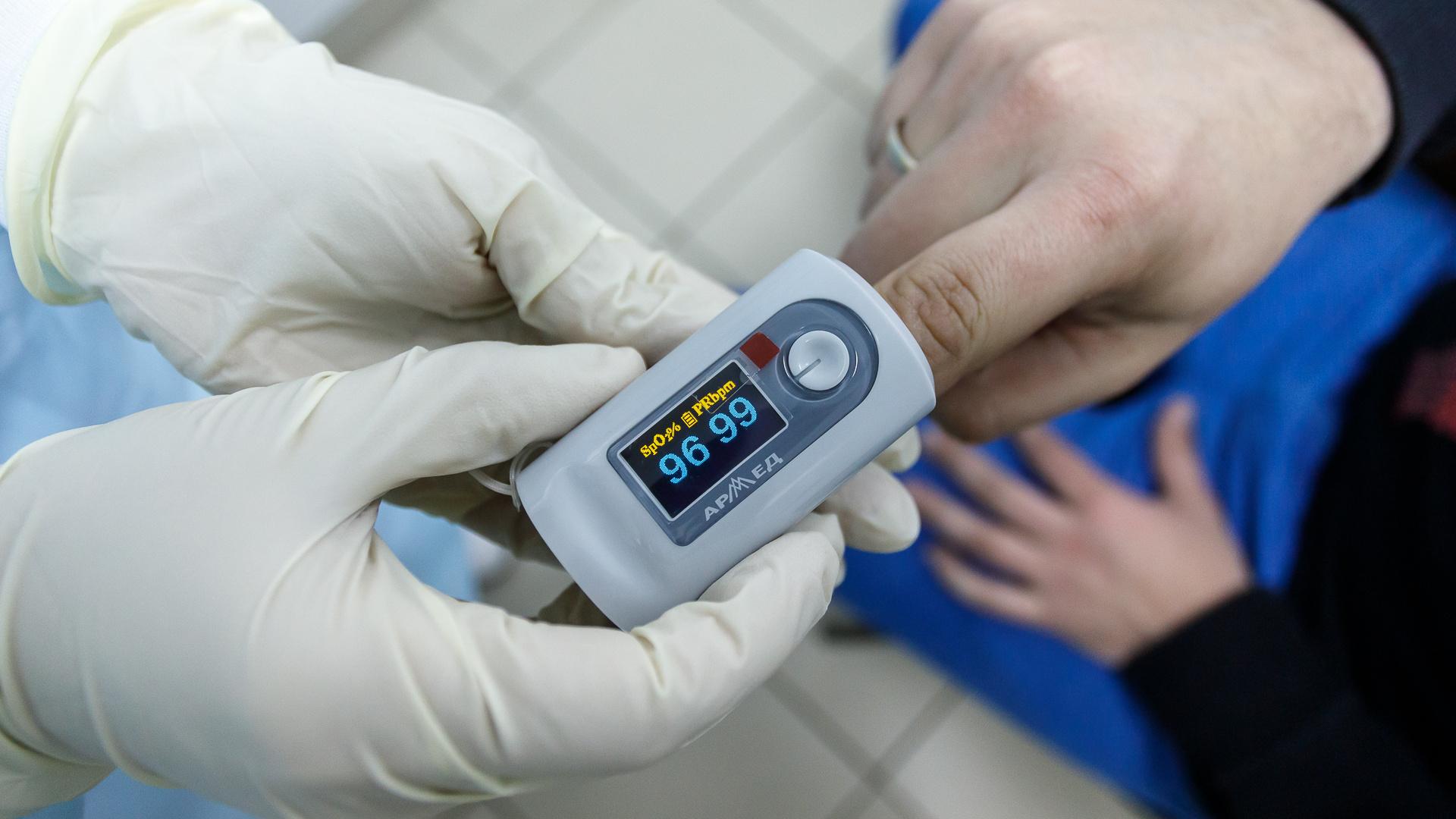
A pulse oximeter is a medical device designed to measure pulse rate and blood oxygen saturation. It is essential for assessing the state of the respiratory and cardiovascular systems and for detecting the onset of pathological conditions.
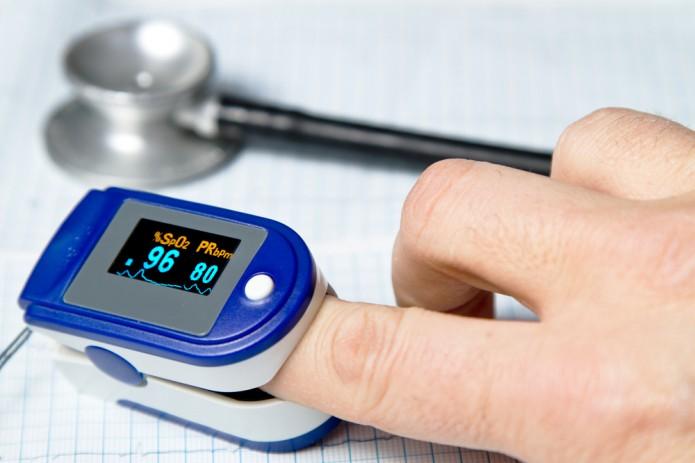
A pulse oximeter is a portable device shaped like a small clip that attaches to a finger. The measurement procedure is called pulse oximetry and allows for the timely diagnosis of hypoxia - a lack of oxygen in the blood.
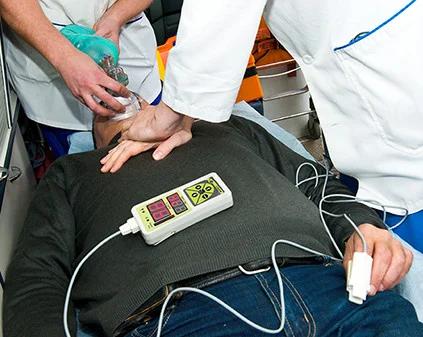
Indications for the use of a pulse oximeter include heart failure, respiratory diseases, evaluation of oxygen therapy effectiveness, surgery and rehabilitation, induction of anesthesia, and diagnosis and monitoring of patients with sleep apnea and chronic heart and lung disease.
Key Advantages
- - Continuous detection and monitoring of peripheral arterial hemoglobin oxygen saturation (SpO2) with the Oxytest-1 pulse oximeter. This allows tracking of the body's oxygen levels and timely detection of potential health issues;
- - Pulse rate (PR) measurement is also a key function of the pulse oximeter. It allows tracking of changes in heart rhythm and provides warning of potential cardiovascular issues;
- - A battery life of at least 50 hours enables extended use of the pulse oximeter without frequent battery replacement or recharging;
- - The ability to run on batteries, 220V mains power, or a 12V onboard power supply makes the Oxytest-1 pulse oximeter versatile and convenient. This allows it to be used in a variety of settings and situations;
- - Large, bright saturation indicators make it easy to read blood oxygen saturation data. This helps quickly assess the patient's condition and take necessary action;
- - Pulse wave indication and visualization allow real-time observation of changes in pulse. This helps physicians and medical staff monitor the patient's condition and respond promptly to any changes.