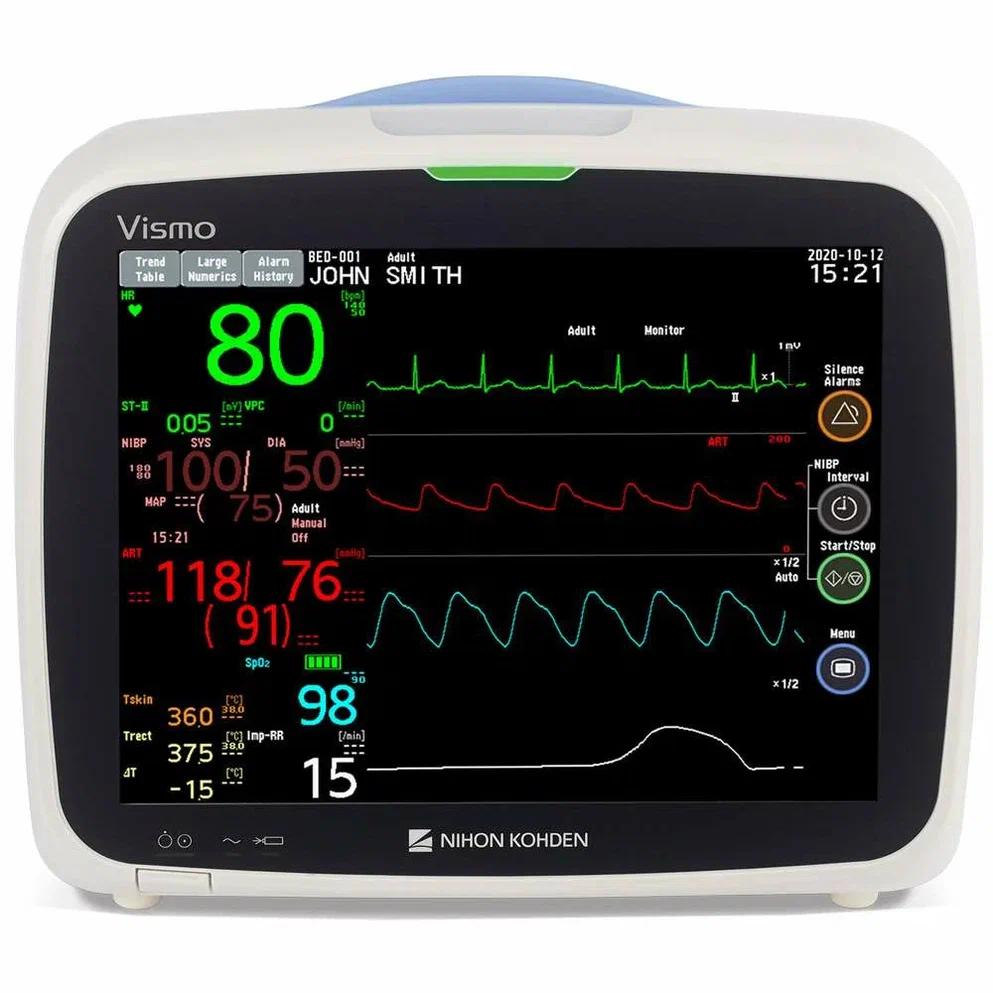
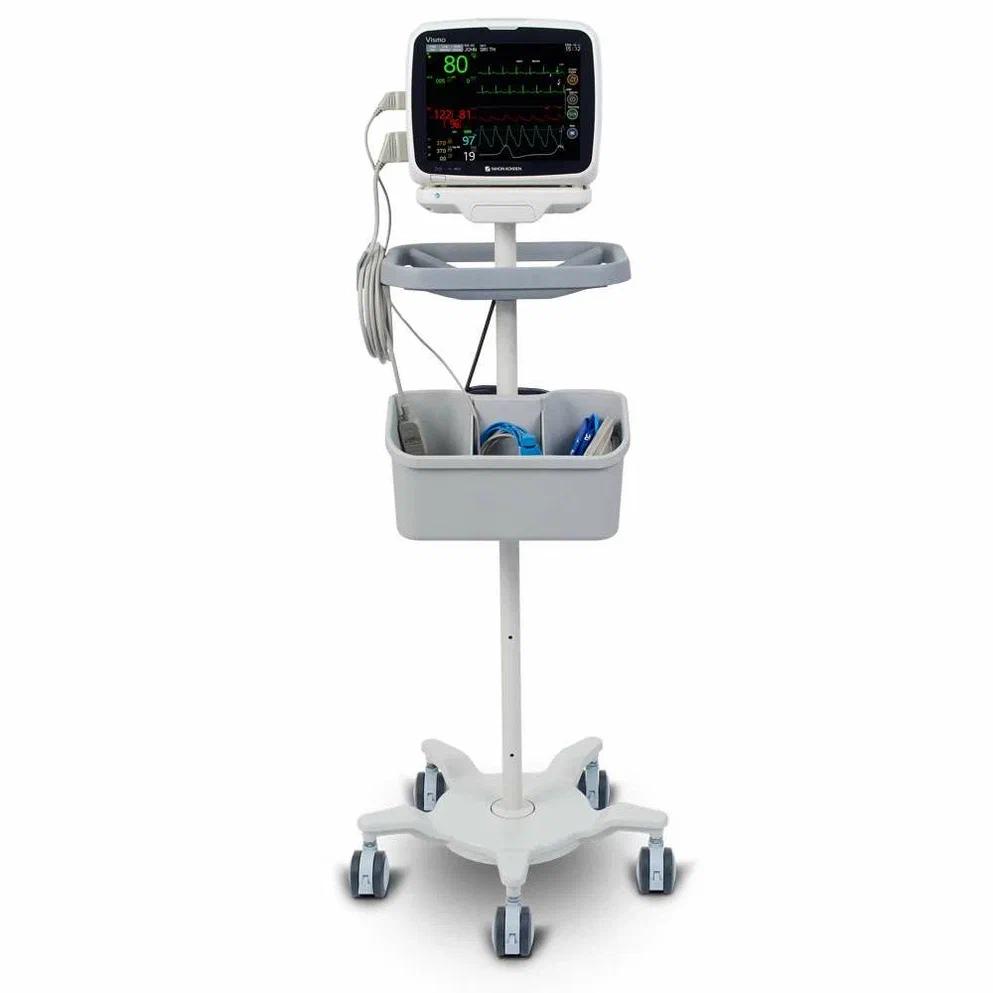
Nihon Kohden PVM-4763
Price:
- on request
Specifications:
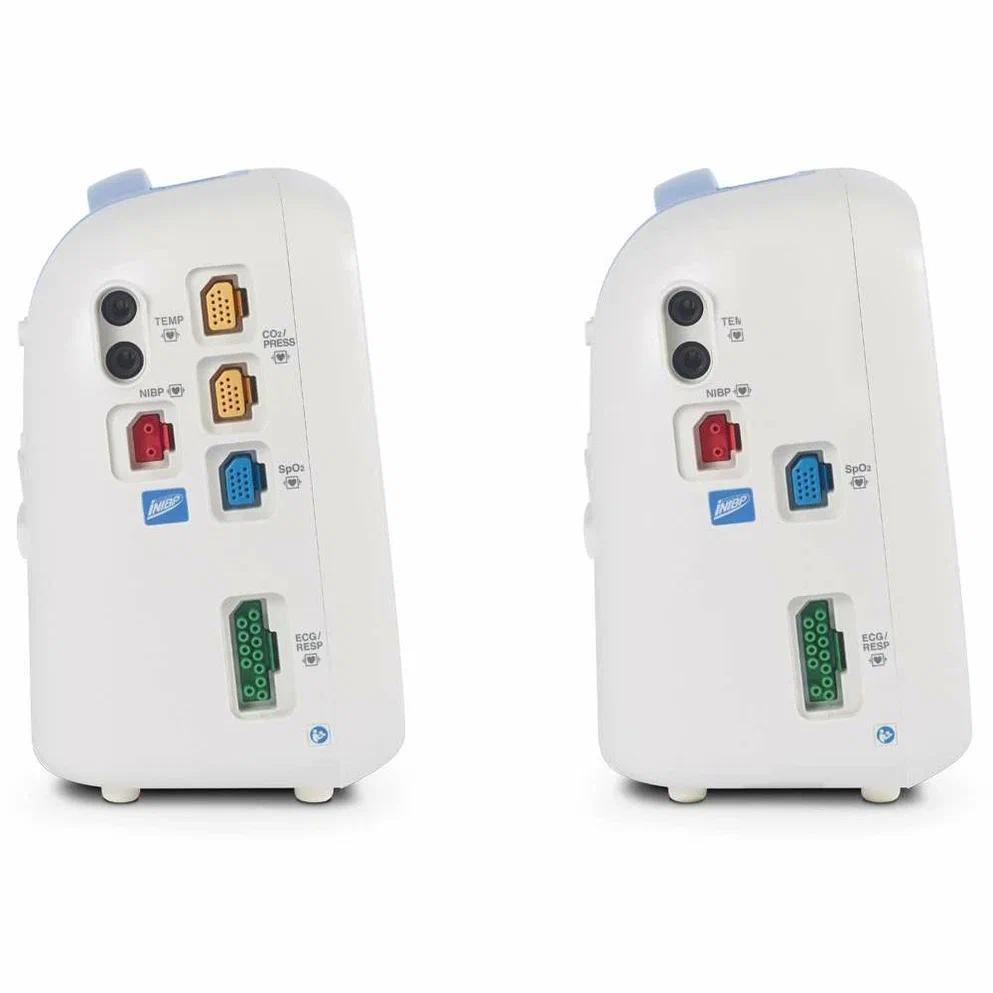
- Functions - ECG, pulse, respiration, SpO2, NIBP, and temperature monitoring, PWTT function, NIBP measurement
- Internal memory - 120 hours
- Dimensions - 276 x 237 x 143 mm
- Weight - 3.3 kg
- Country of origin - Japan
- Medical device type code - 190850
Description
Neonatal monitors are medical equipment designed for the continuous monitoring of a newborn’s vital signs. They are used in neonatal intensive care units (NICU) to monitor premature infants, infants with congenital abnormalities, and other pathologies.
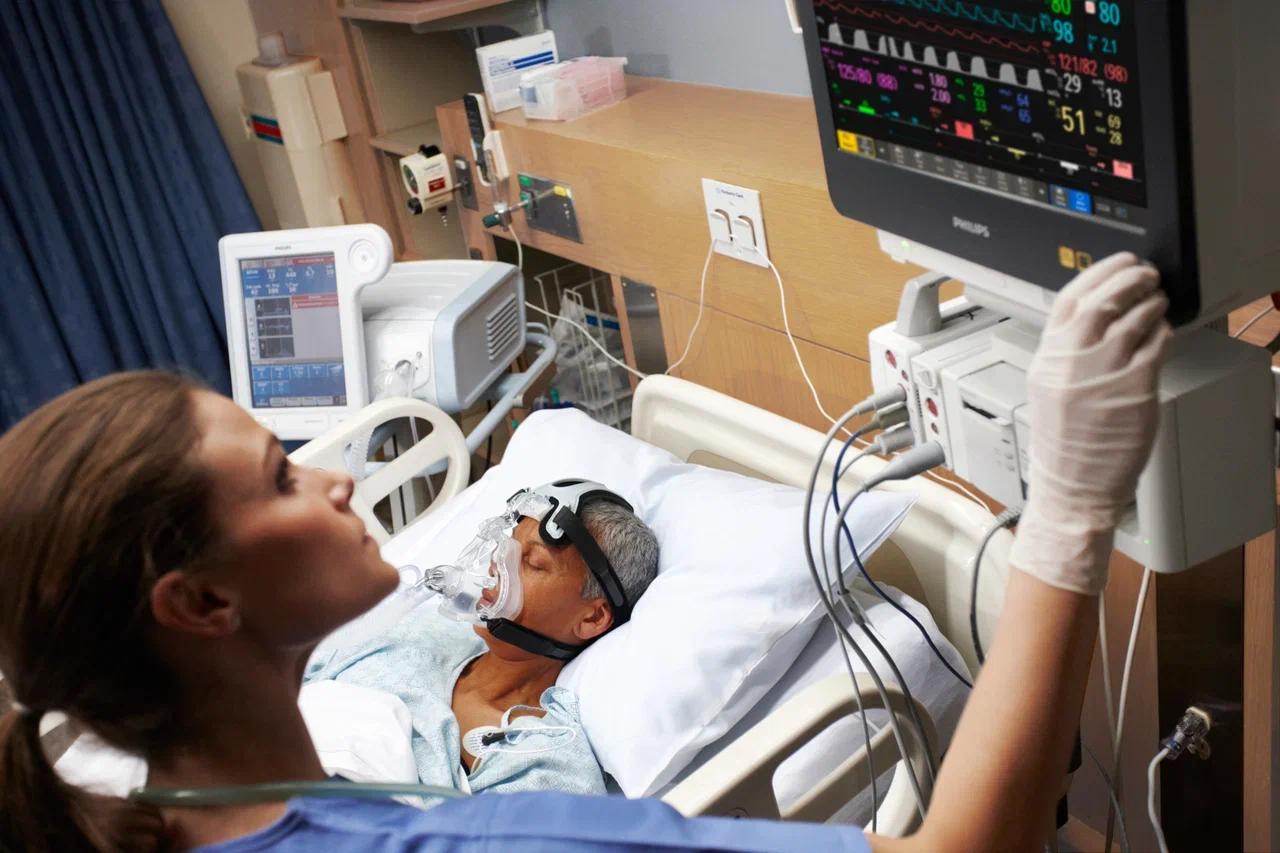
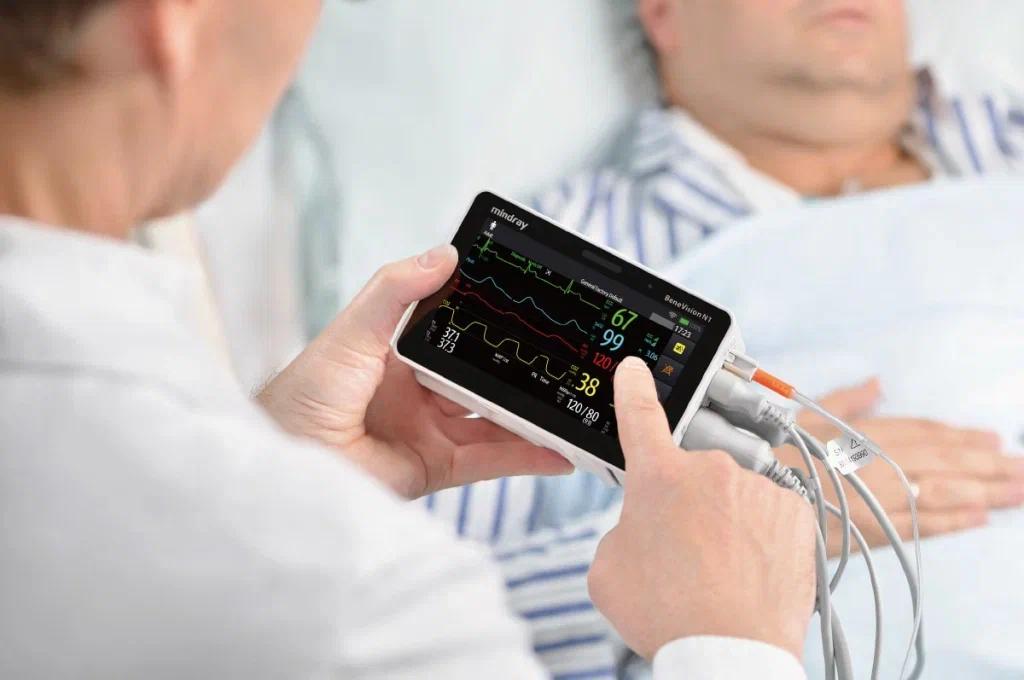
Neonatal monitors are connected to the infant using sensors that measure various physiological parameters, such as heart rate, respiratory rate, blood oxygen saturation, blood pressure, body temperature, and others. The sensors transmit information to the monitor, which displays it as graphs and figures.
Neonatal monitors are used to monitor newborns in critical condition, such as premature infants, infants with congenital abnormalities, infants with respiratory disorders, and others. They help medical staff respond quickly to changes in an infant’s condition and prevent complications.
Neonatal monitors provide continuous observation of an infant’s condition, allowing abnormalities to be detected and corrected in a timely manner. They ease the workload of medical staff, reduce time spent on diagnosis and treatment, and lower the risk of errors. Neonatal monitors improve the quality of medical care and treatment outcomes.
Key Advantages
- - the monitor tracks various vital signs, such as ECG, pulse, respiration, blood oxygen saturation (SpO2), blood pressure (NIBP), and temperature, making it a versatile tool for monitoring a patient’s condition in various situations;
- - a large, sharp touchscreen provides simple, intuitive control of the monitor, allowing medical staff to quickly obtain the necessary information about a patient’s condition and make decisions;
- - the monitor can store patient data over an extended period, allowing changes in parameters to be analyzed over time and trends identified;
- - the monitor is equipped with comprehensive arrhythmia analysis, which detects heart rhythm disturbances and warns of possible issues;
- - this feature allows the patient’s cardiovascular status to be assessed and possible issues to be identified;
- - the monitor can be connected to a local network, allowing patient data to be transmitted to other devices and computers - convenient for sharing information among medical staff and maintaining electronic medical records.