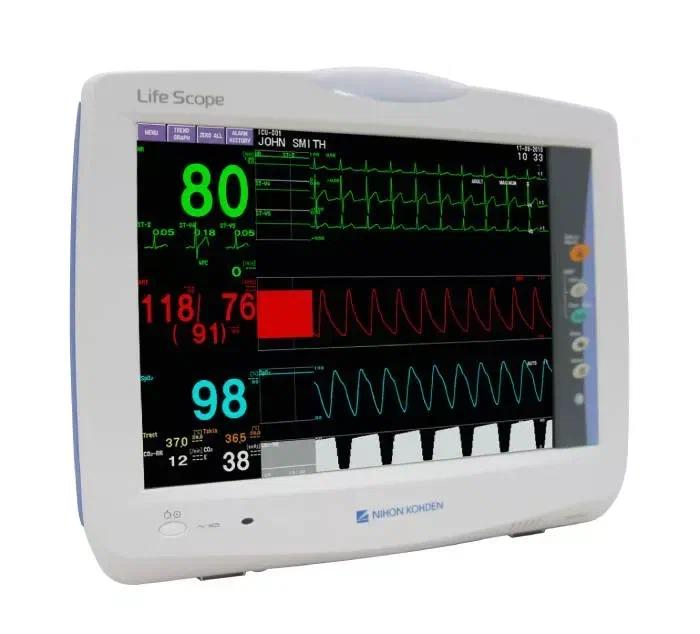
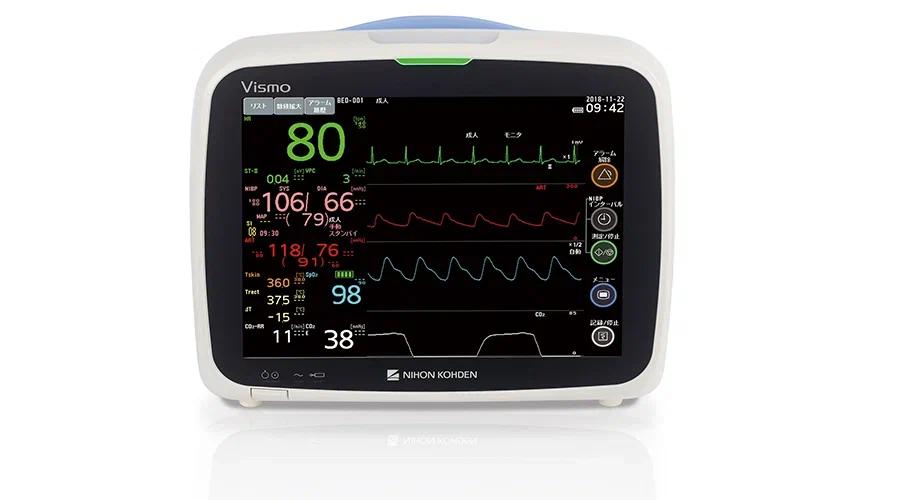
Nihon Kohden BSM-3562 Patient Monitor
Price:
- on request
Specifications:
- Functions - ECG (up to 12 leads), respiration, SpO2, NIBP, temperature (up to 2 channels), CO2, IBP, thermodilution cardiac output, minimally/non-invasive cardiac output, BIS, EEG
- Internal memory - At least 24 h
- Dimensions - 370 x 310 x 172 mm
- Weight - 6.2 kg
- Country of origin - Japan
- Medical device type code - 190850
Description
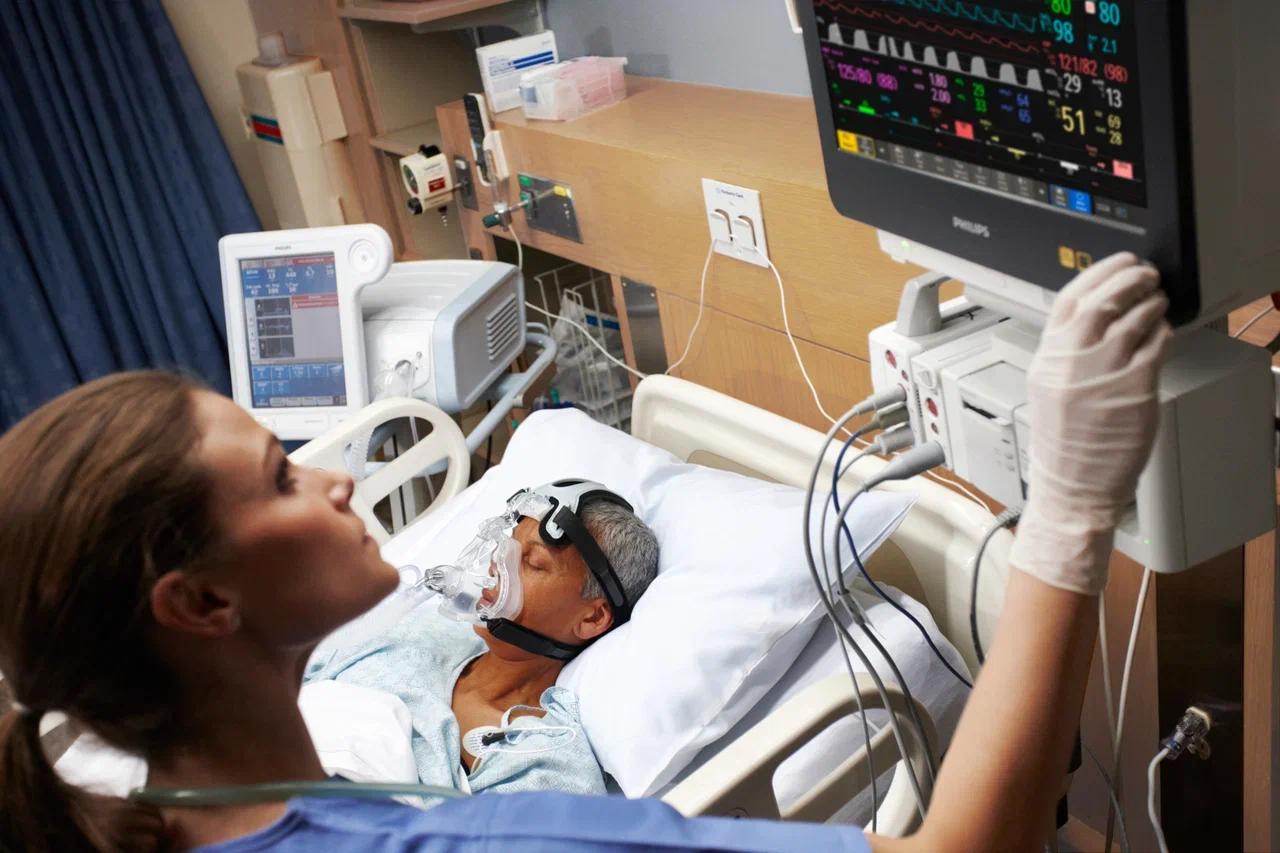
Patient monitors are medical devices designed for the continuous observation of a patient’s condition. They are used in intensive care units, operating rooms, resuscitation wards, and other medical facilities.
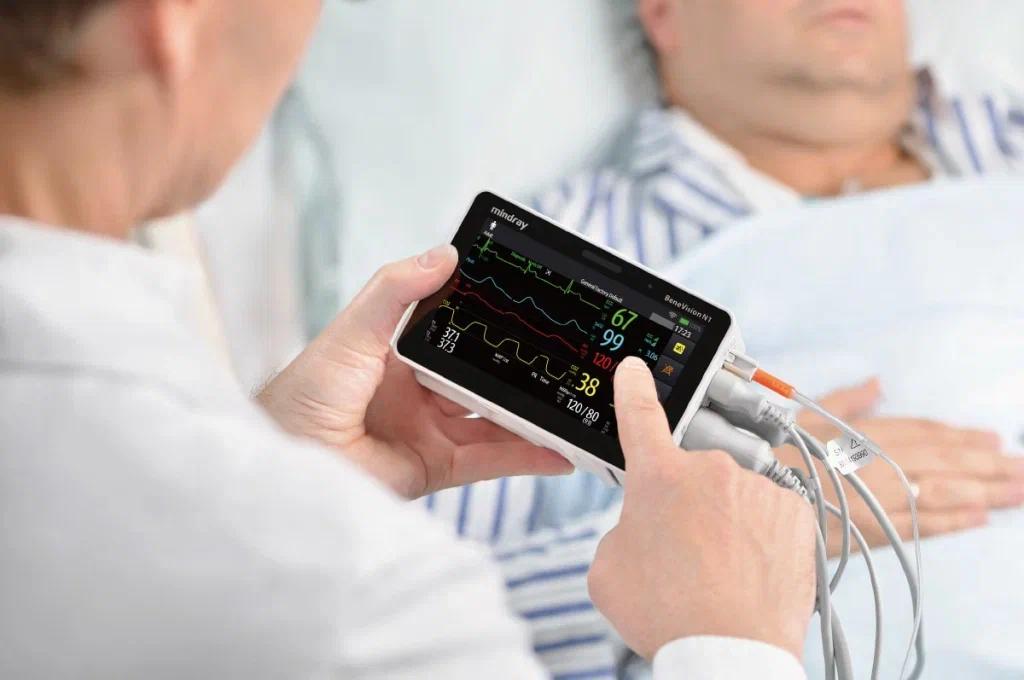
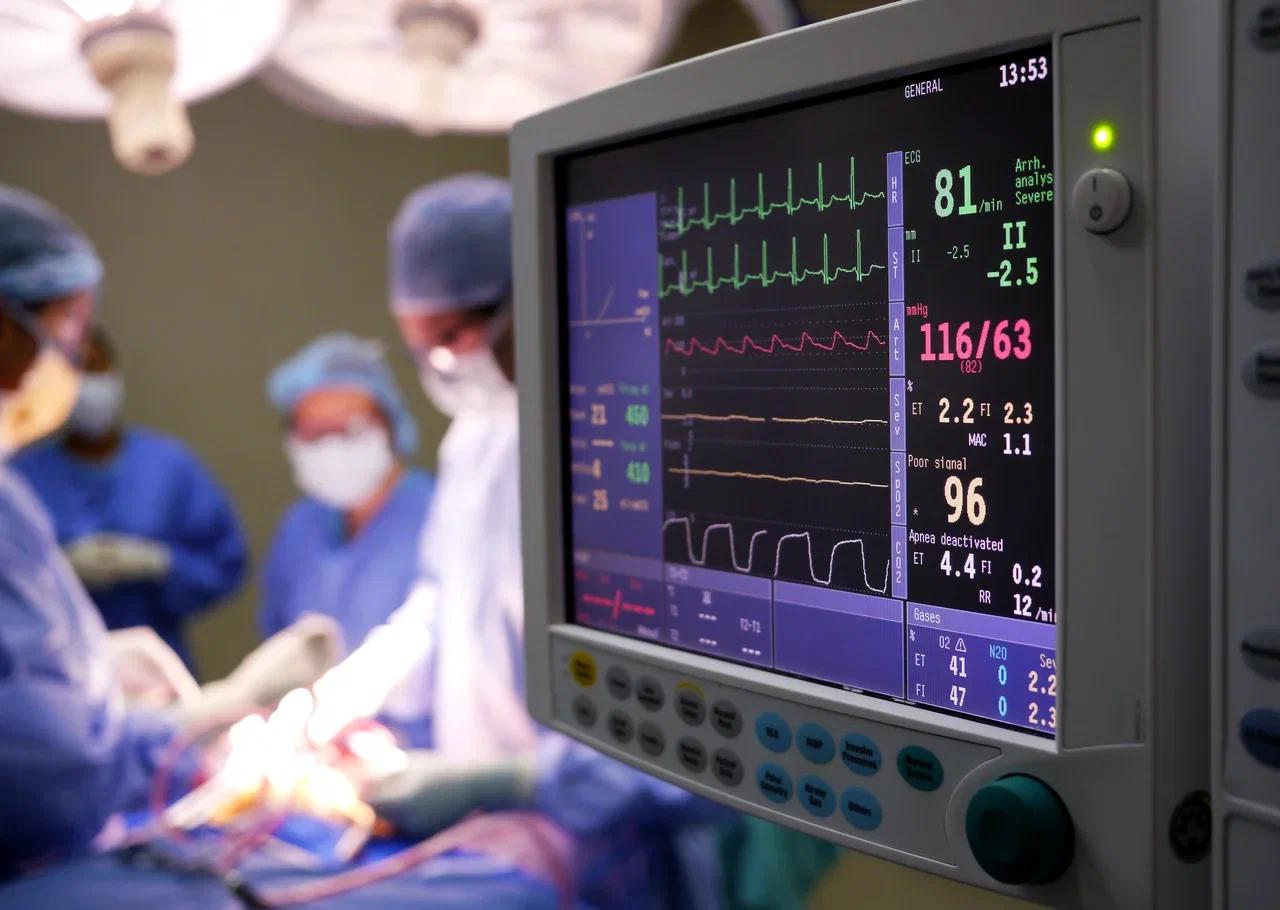
Patient monitors are connected to the patient using sensors that measure various physiological parameters, such as blood pressure, heart rate, blood oxygen saturation, body temperature, and others. The sensors transmit information to the monitor, which displays it as graphs and figures.
Patient monitors are used to monitor patients in critical condition, such as post-surgical patients, patients with cardiovascular disease, patients with respiratory failure, and others. They help medical staff respond quickly to changes in a patient’s condition and prevent complications.
Patient monitors provide continuous observation of a patient’s condition, allowing abnormalities to be detected and corrected in a timely manner. They ease the workload of medical staff, reduce time spent on diagnosis and treatment, and lower the risk of errors. Patient monitors improve the quality of medical care and treatment outcomes.
Key Advantages
- - the BSM-3562 tracks ECG, respiration, SpO2, NIBP, and temperature, making it an indispensable tool for observing a patient’s condition;
- - two temperature channels allow more precise monitoring of a patient’s body temperature, which is especially important during anesthesia and intensive care;
- - the monitor measures both invasive and non-invasive blood pressure, extending its functionality;
- - a built-in drug calculator and respiration functions ease the work of medical staff by simplifying drug dosage calculations and monitoring a patient’s breathing;
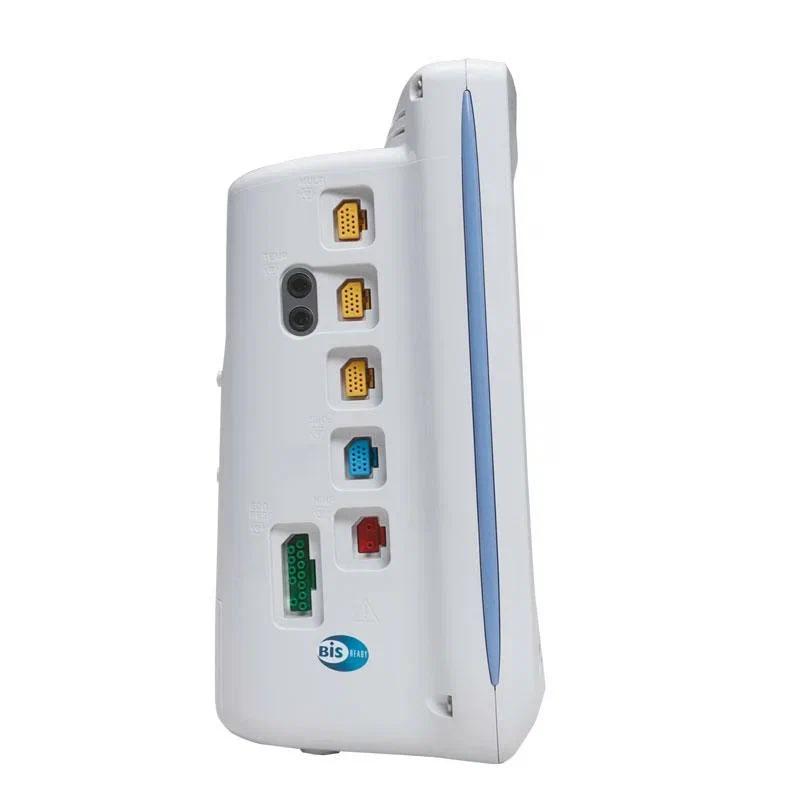
- - two multi-connectors allow additional modules to be connected for cardiac output, IBP, capnometry, and BIS monitoring, expanding monitoring capabilities without extra devices;
- - thanks to the multi-connectors and the ability to connect external devices such as ventilators or a multi-gas module, the monitor can be adapted to various clinical needs.