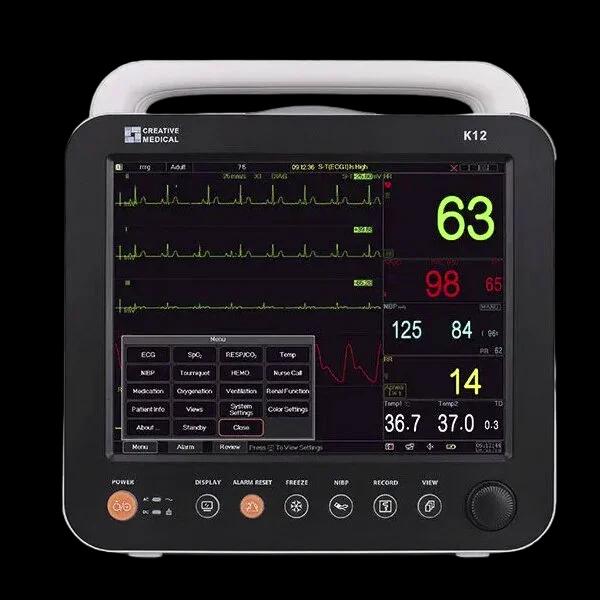
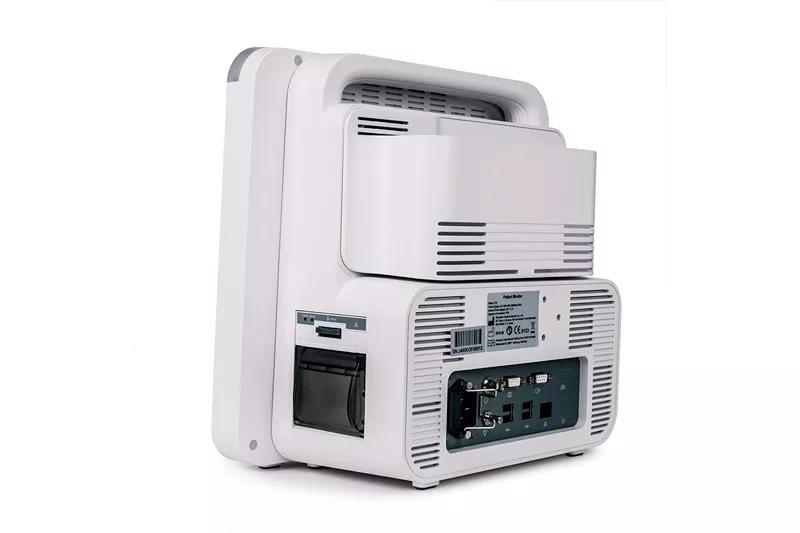
Lepu K15, K12, K10 Patient Monitor
Price:
- on request
Specifications:
- Functions - ECG, SpO2, NIBP, temperature
- Dimensions - K10 - 178 x 295 x 334 mm; K12 - 178 x 313 x 334 mm; K15 - 160 x 350 x 340 mm
- Weight - K10 - 4.5 kg; K12 - 5.2 kg; K15 - 5.45 kg
- Country of origin - China
- Medical device type code - 190850
Description
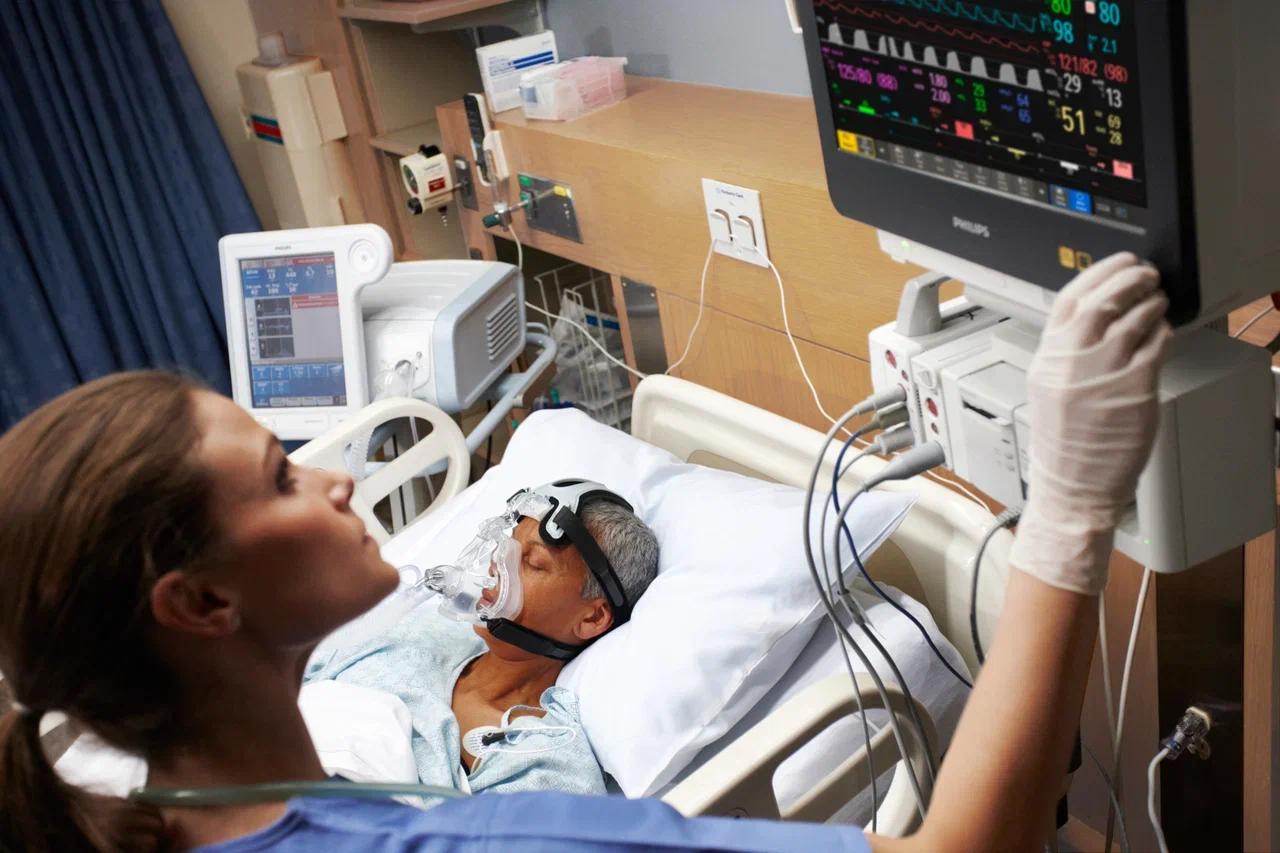
Patient monitors are medical devices designed for the continuous observation of a patient’s condition. They are used in intensive care units, operating rooms, resuscitation wards, and other medical facilities.
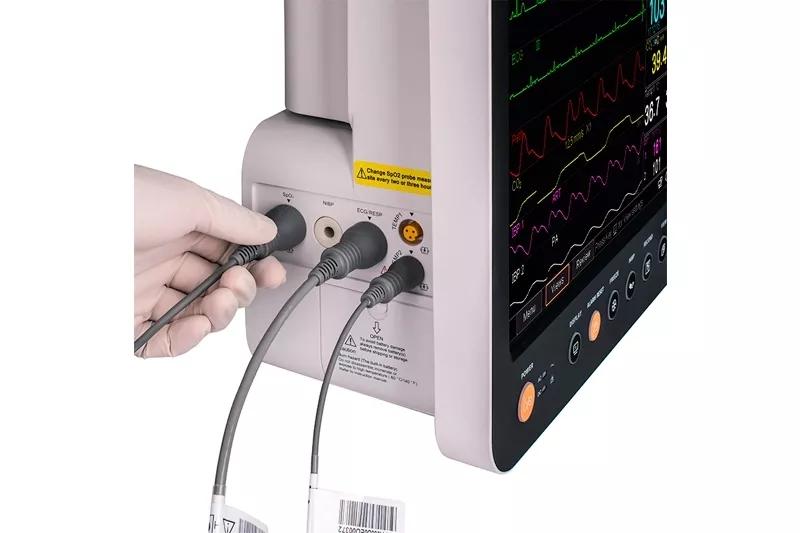
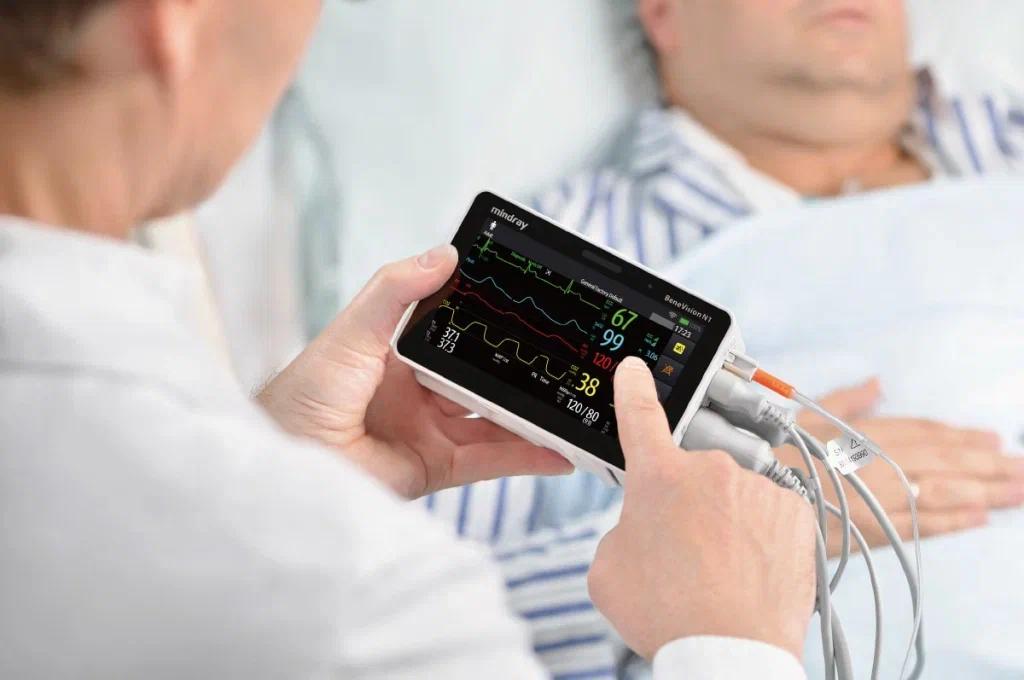
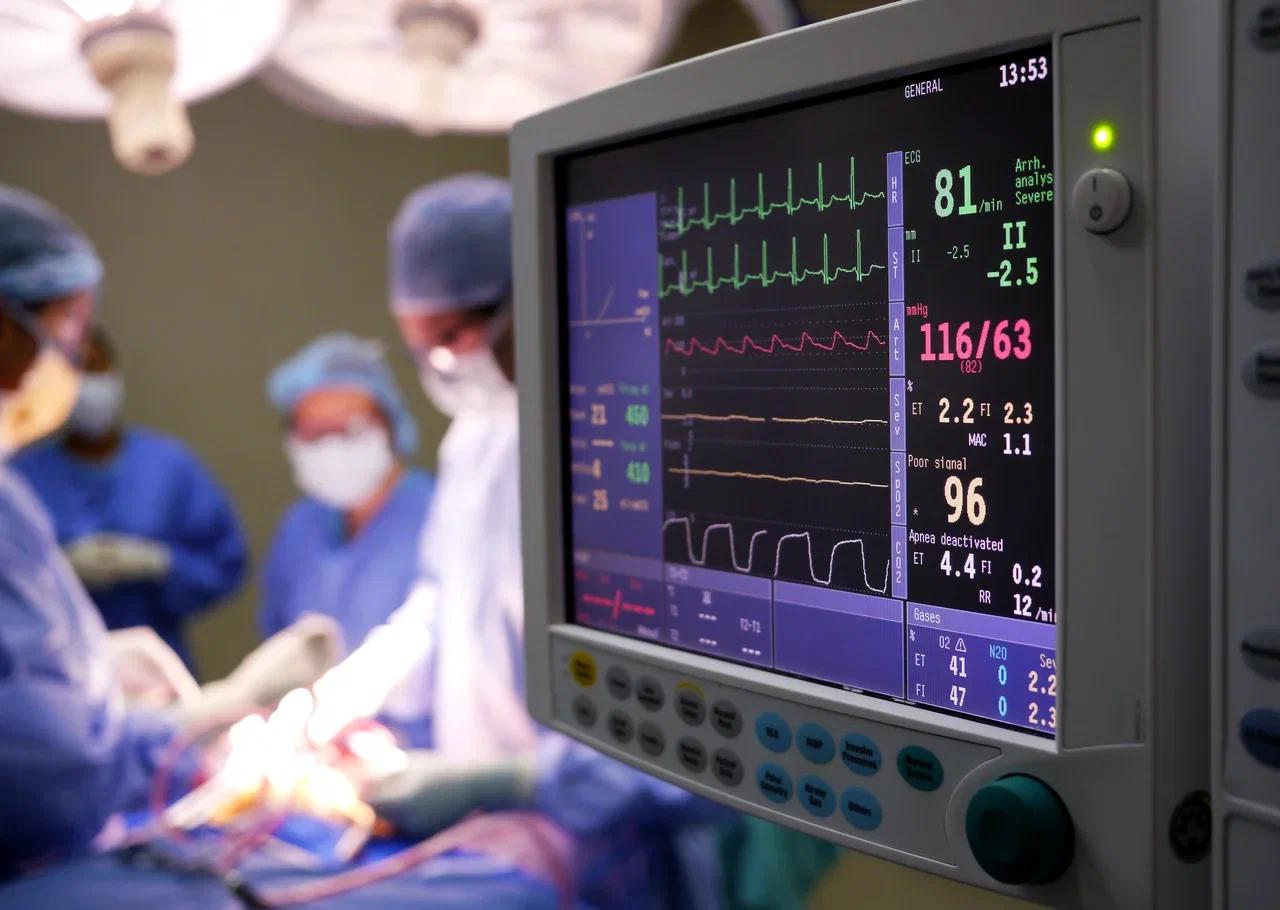
Patient monitors are connected to the patient using sensors that measure various physiological parameters, such as blood pressure, heart rate, blood oxygen saturation, body temperature, and others. The sensors transmit information to the monitor, which displays it as graphs and figures.
Patient monitors are used to monitor patients in critical condition, such as post-surgical patients, patients with cardiovascular disease, patients with respiratory failure, and others. They help medical staff respond quickly to changes in a patient’s condition and prevent complications.
Patient monitors provide continuous observation of a patient’s condition, allowing abnormalities to be detected and corrected in a timely manner. They ease the workload of medical staff, reduce time spent on diagnosis and treatment, and lower the risk of errors. Patient monitors improve the quality of medical care and treatment outcomes.
Key Advantages
- - simultaneous display of up to 12 ECG leads provides a complete picture of a patient’s cardiac activity, which is especially important for diagnosis and monitoring. High heart-rate measurement accuracy of ±1% or ±1 bpm ensures reliable, accurate data;
- - a compact, portable design makes the device easy to move between hospital departments and use during patient transport, improving ease of use. Thanks to its compact size and light weight, the monitor can be quickly set up wherever needed;
- - an intuitive menu with a minimalist, flat design makes the device easy for medical staff to learn and use. Most routine operations require just two steps, significantly saving time and improving efficiency;
- - a wide measurement range from 0 to 150 mmHg, with an accuracy of ±2 mmHg in the 0-40 mmHg range, which is important for monitoring a patient’s condition;
- - monitoring of cardiac activity, respiratory function, and oxygen saturation allows physicians to make informed decisions and ensure patient safety, supporting clinical decision-making by providing complete information on a patient’s vital signs;
- - a wide input dynamic range of ±(0.5mVp~5mVp), high differential input impedance of ≥10MΩ, and a wide bandwidth of 0.05~150Hz for diagnostics and 0.5~40Hz for monitoring, ensuring measurement accuracy and reliability.