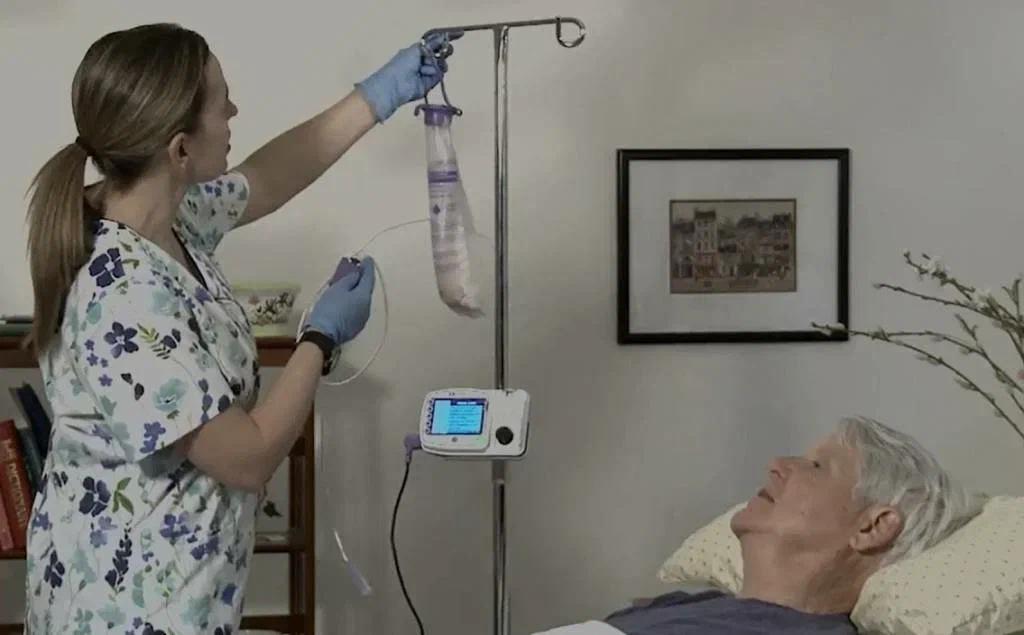


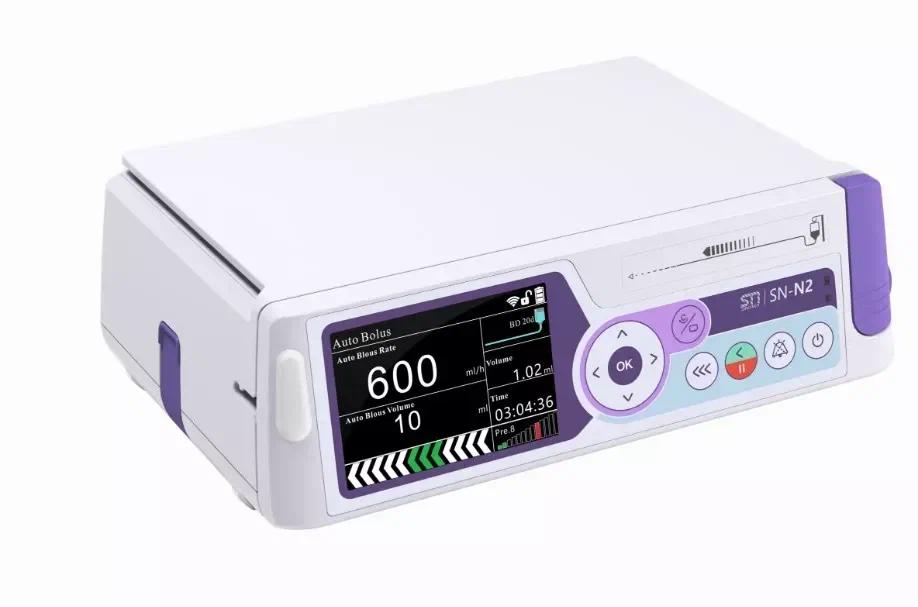
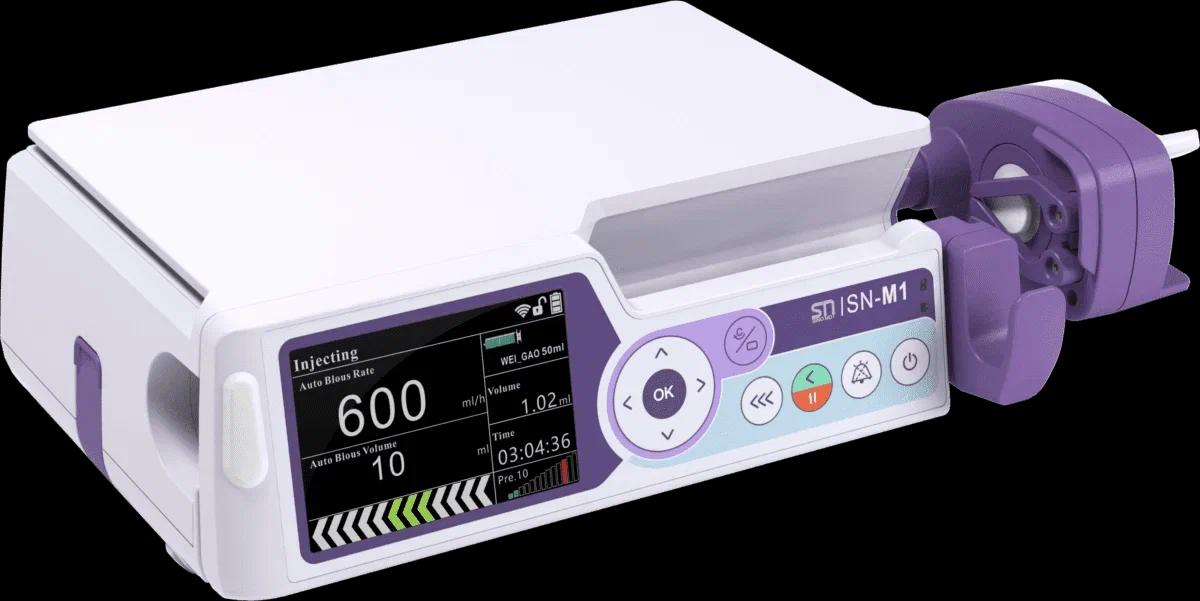
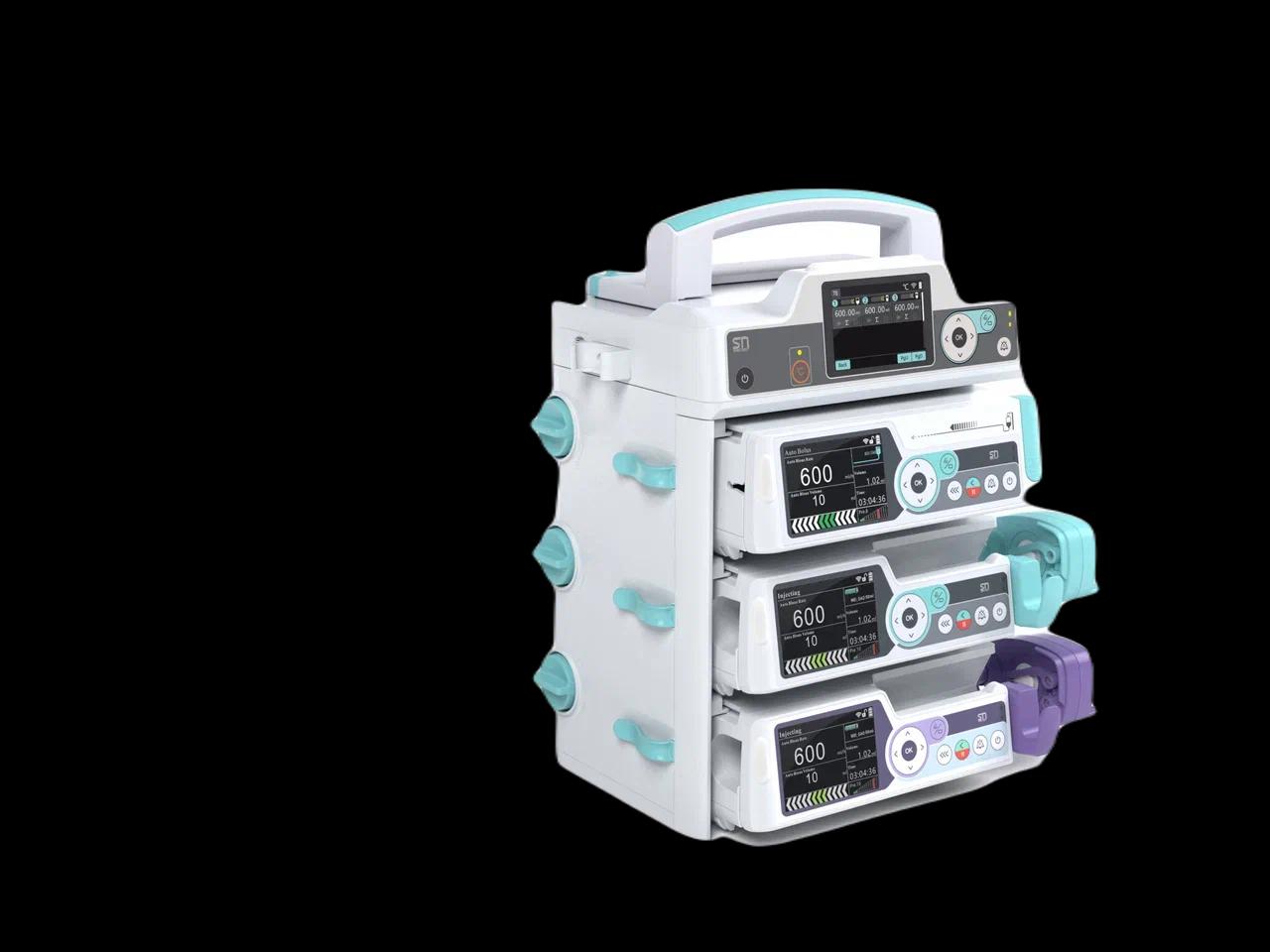
Enteral feeding pumps are specialized medical devices designed for the controlled delivery of nutrient formula directly into a patient’s gastrointestinal tract. They play an important role in ensuring adequate nutrition for patients who cannot eat naturally or require supplemental feeding.
Enteral feeding pumps operate on the principle of peristalsis, where a flexible tube is compressed to move the nutrient formula forward. This allows precise control of the feeding rate and volume, ensuring even delivery into the patient’s body.
There are several types of enteral feeding pumps, including continuous and bolus feeding pumps, as well as pumps with various operating modes. Continuous-feeding pumps deliver the nutrient formula uninterrupted over a set period, while bolus-feeding pumps allow the formula to be delivered as individual portions.
Modern enteral feeding pumps are equipped with various features that improve convenience and safety of use. They can provide different feeding modes, such as continuous, intermittent, bolus, and manual, allowing therapy to be adapted to each patient’s individual needs. Many models are also equipped with alarm systems, batteries for autonomous operation, and the ability to connect to a computer for monitoring and data analysis.
Enteral feeding pumps are widely used across many areas of medicine, including anesthesiology, resuscitation, intensive care, surgery, and others. They are indispensable for patients requiring long-term or intensive feeding, as well as those who cannot eat naturally.