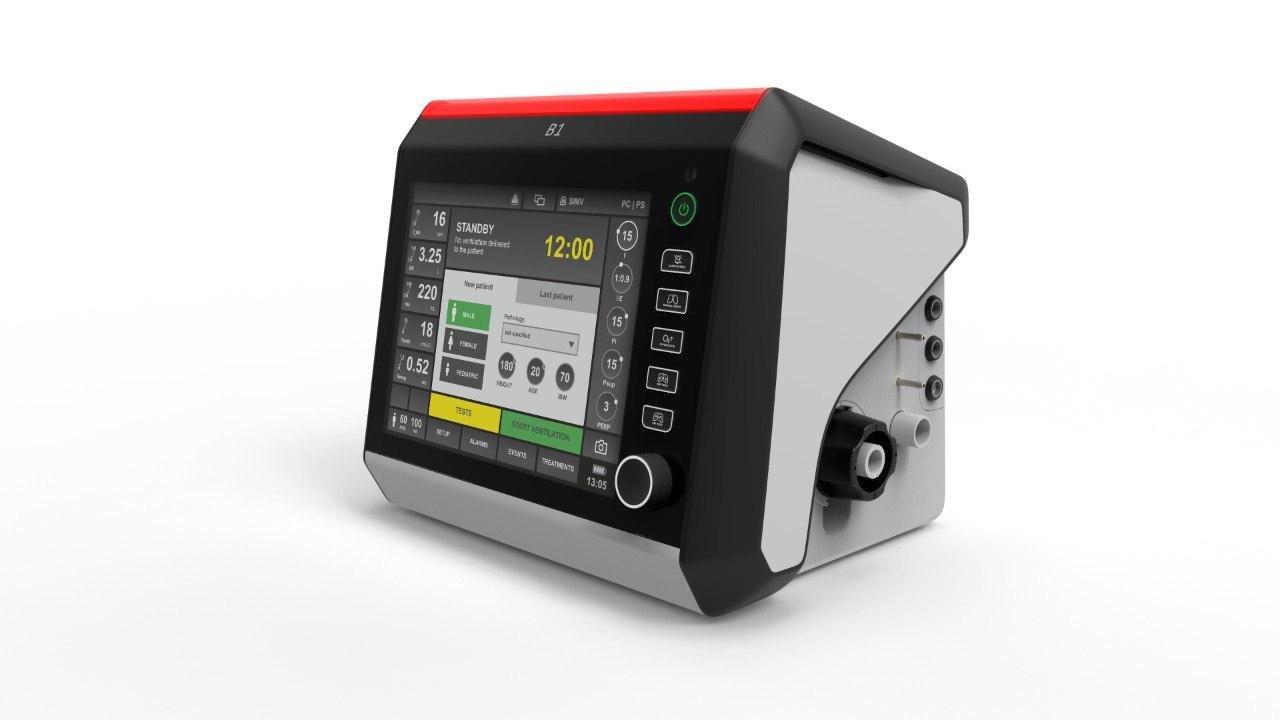
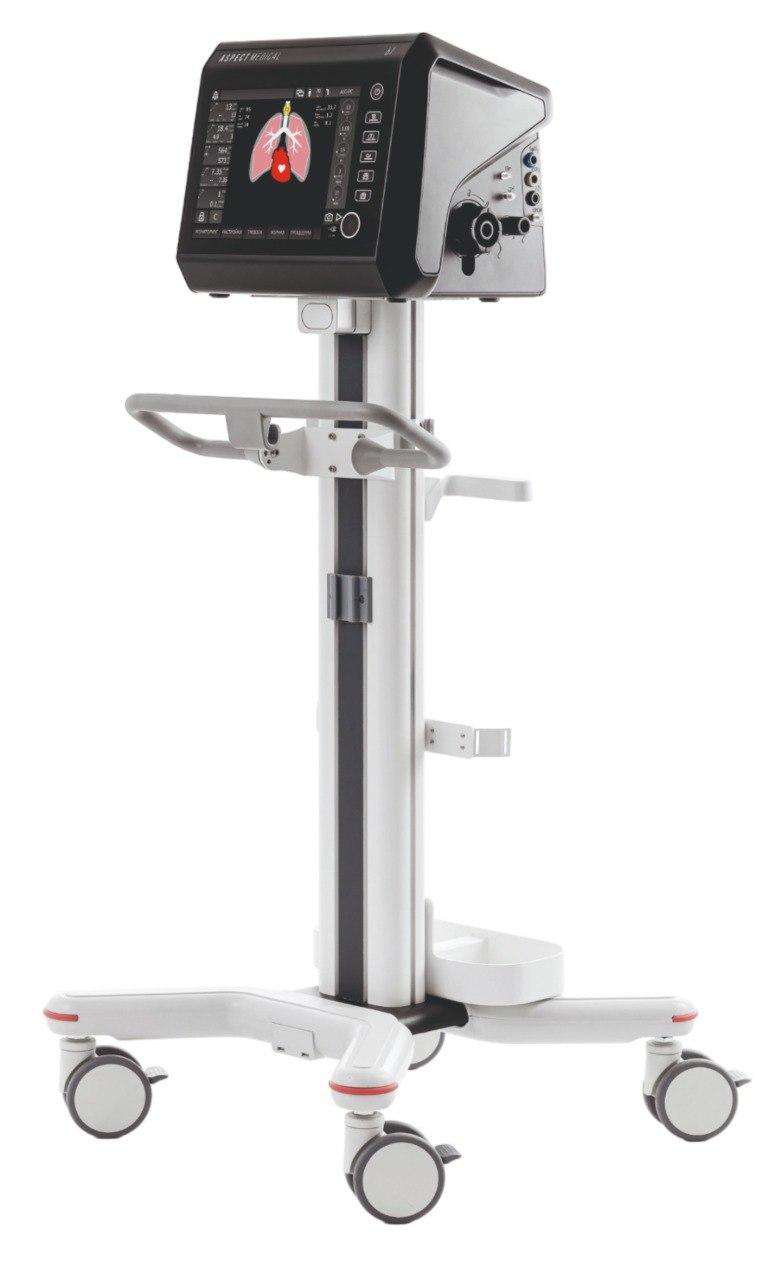
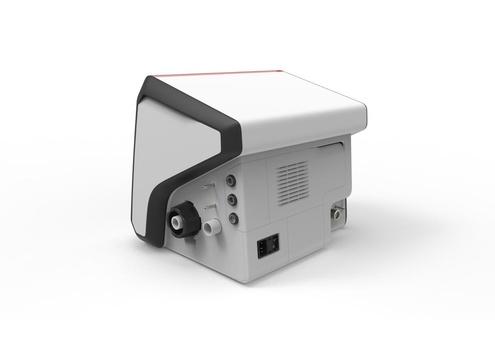
"b1" Pulmonary Ventilator
Price:
- on request
Specifications:
- Ventilation Modes - CMV/VC, CMV/PC, CMV/PC-VG, (CMV/DC), AC/VC, AC/PC, AC/PC-VG, (AC/DC), SIMV / VC + PS, SIMV / PC + PS, SIMV/PC-VG + PS, (SIMV/DC+PS), SIMV/PC-VG + TC, (SIMV/DC+TC), CPAP + VC, CPAP+PC, SPONT/VC, SPONT/PC, SPONT/PS, SPONT / PS-VG, (SPONT / DC), SPONT / VC, PC-TC
- Age Group - adults, children, and newborns weighing 0.2 kg or more
- Battery Operating Hours - at least 5 hours
- Dimensions - 315.93 x 390 x 387.12 mm
- Weight - up to 10 kg
- Country of origin - Russia
- Medical device type code - 232870
Description
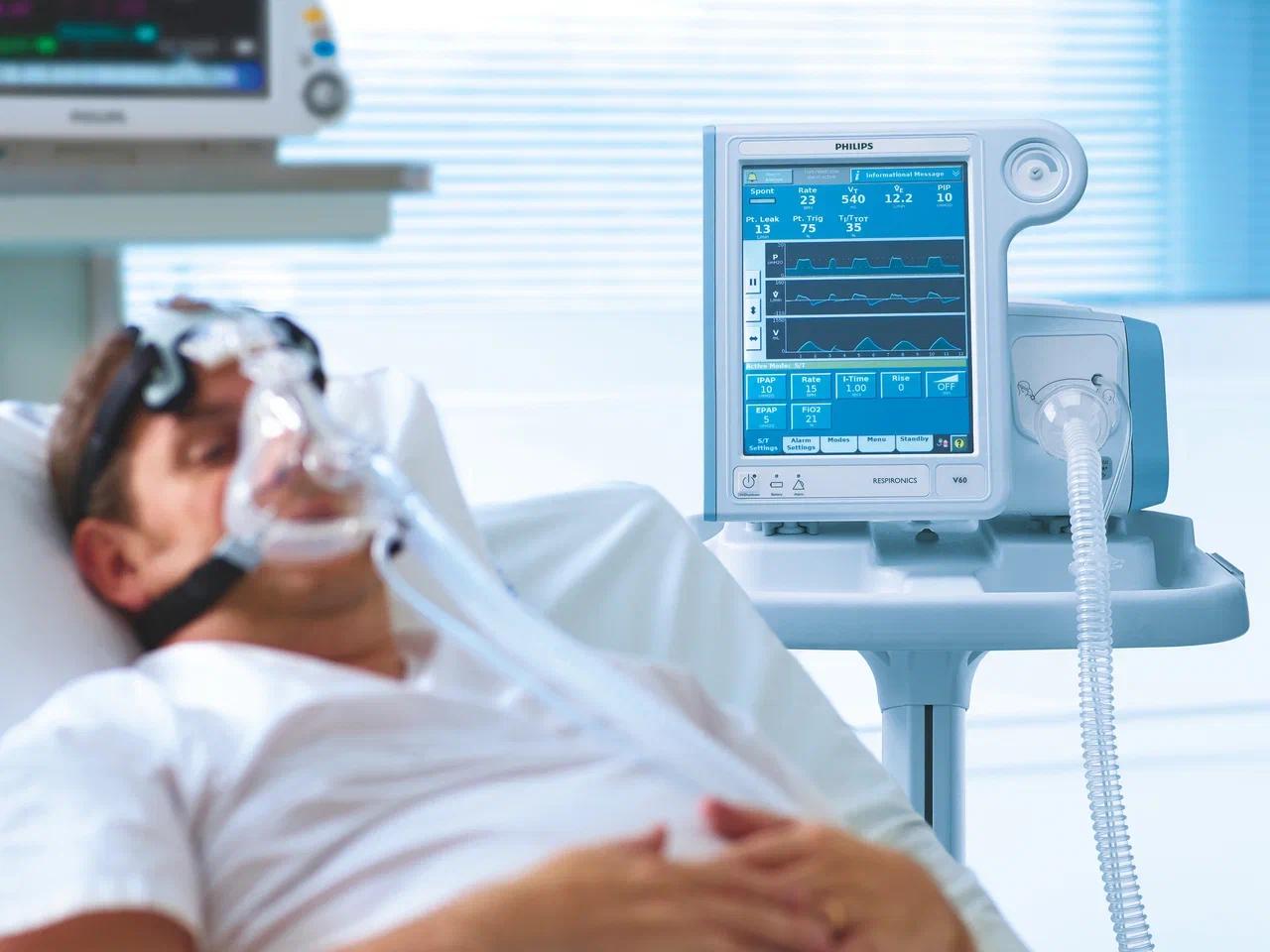
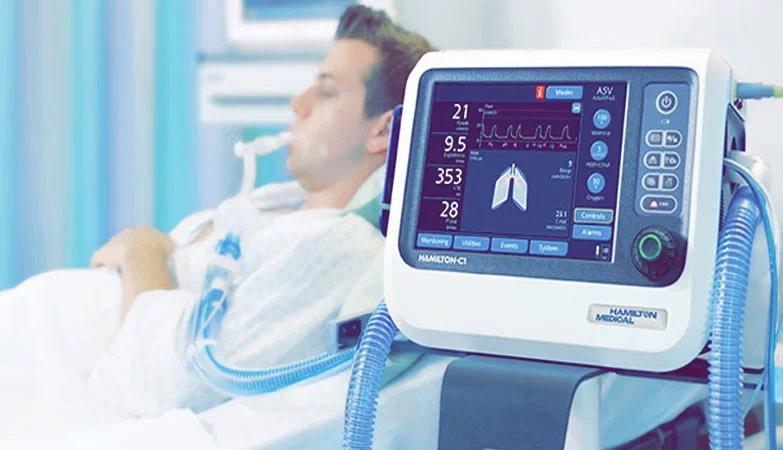
Portable ventilators are mobile devices designed to provide the vital function of breathing for patients requiring respiratory support. Unlike standard stationary ventilators, they are compact, mobile, and can run on autonomous power sources, making them indispensable in emergencies, during patient transport, and in settings without access to stationary ventilation systems.
Portable ventilators ventilate the lungs by delivering an oxygen-air mixture to the patient’s airways at a set pressure and rate. This maintains the required level of blood oxygenation and removes carbon dioxide from the body.
There are several types of portable ventilators, including controlled ventilation, assist-control mode, and inhalation mode. Each type is designed for specific clinical situations and has its own ventilation parameter settings.
The advantages of portable ventilators include mobility, the ability to run on autonomous power sources, ease of use and setup, and the ability to provide effective lung ventilation in a variety of settings.
When choosing a portable ventilator, it is important to consider factors such as ventilation modes, compatibility with different power sources, additional features (such as a humidifier), and device dimensions. Using portable ventilators requires thorough training and adherence to manufacturer instructions to ensure safe and effective therapy.
Key Advantages
- - It is successfully used for all patient categories, from newborns weighing 0.2 kg to adults. A wide range of ventilation modes, including non-invasive respiratory support, allows the device to be used in various clinical situations. It is also compatible with different types of breathing circuits, greatly expanding its applications;
- - The device features a unique module that monitors intubation tube cuff pressure. The system continuously tracks CO2 and SpO2 parameters, which is critical for monitoring patient status. Notably, it also offers a lung “ventilation map” visualization feature and the ability to monitor the patient’s work of breathing via WOB pat and WOB tot readings;
- - The device automatically selects starting ventilation parameters based on the patient’s entered weight and height. The system automatically determines the optimal ventilation settings and performs pre- and post-oxygenation. It can also self-diagnose its condition, increasing reliability;
- - The device has a built-in electric turbine drive that can run on its internal battery for up to 5 hours. Built-in expiratory and inspiratory valves ensure stable system operation. The device is also compact and lightweight (up to 10 kg), making it mobile and convenient to use;
- - The device features a modern 12-inch touchscreen with an intuitive interface. It includes a nurse call function and can connect to a network and external devices via USB, RS232, and Network ports, significantly simplifying work for medical staff;
- - The device has a multi-level protection system, automatically monitors system pressure, and prevents complications related to mechanical ventilation. It also supports special procedures aimed at improving lung ventilation, increasing treatment effectiveness.