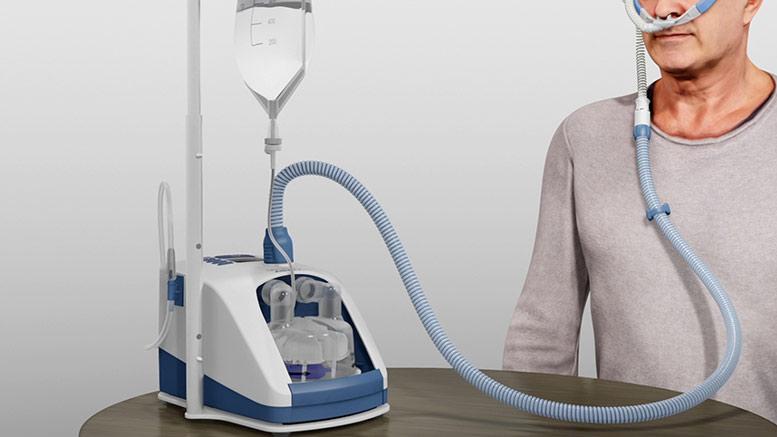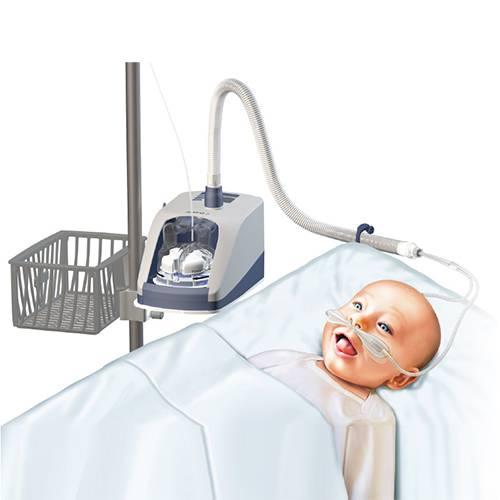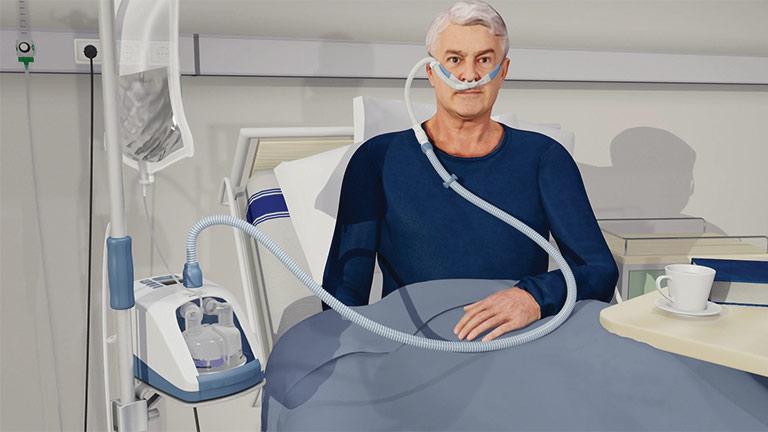


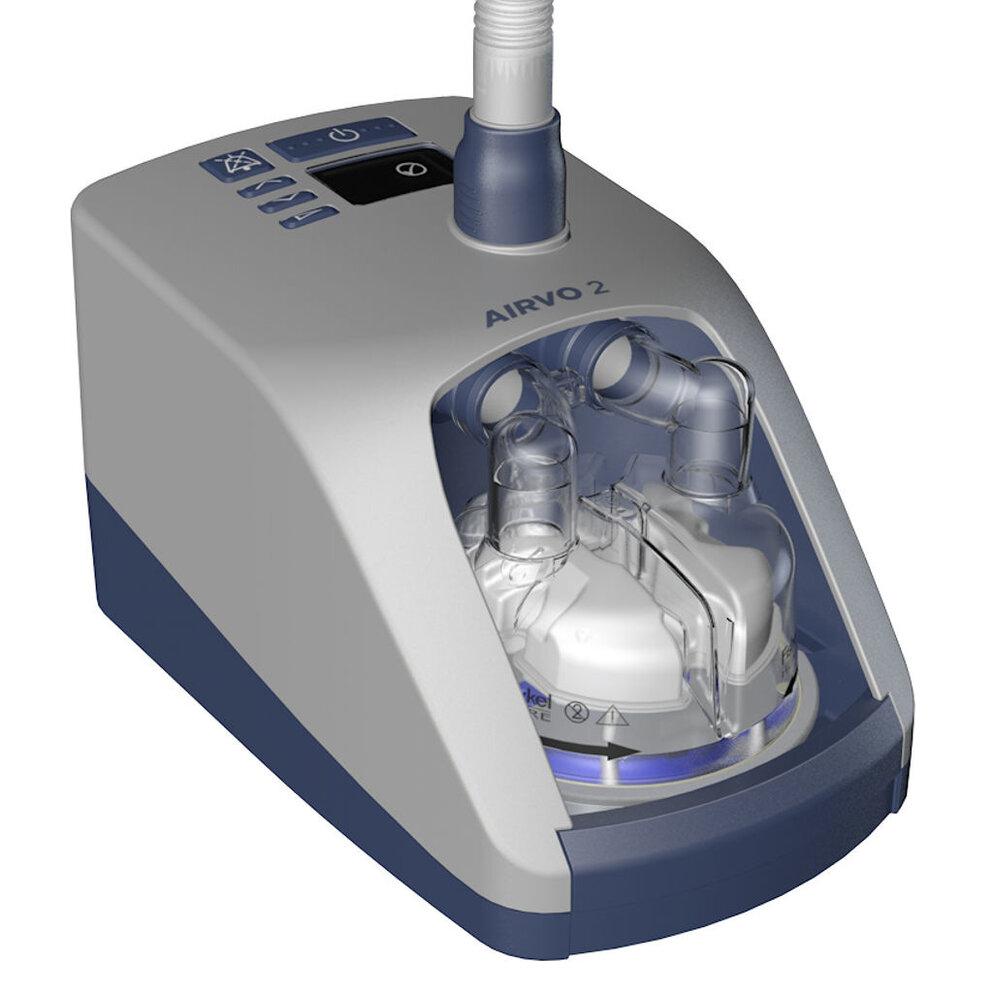
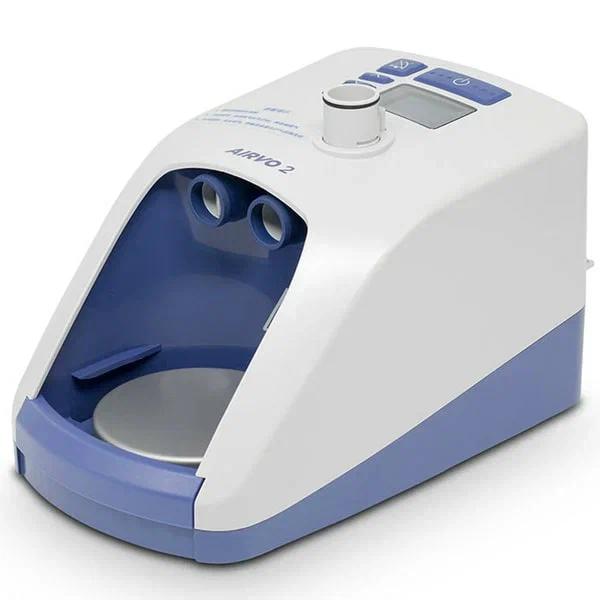
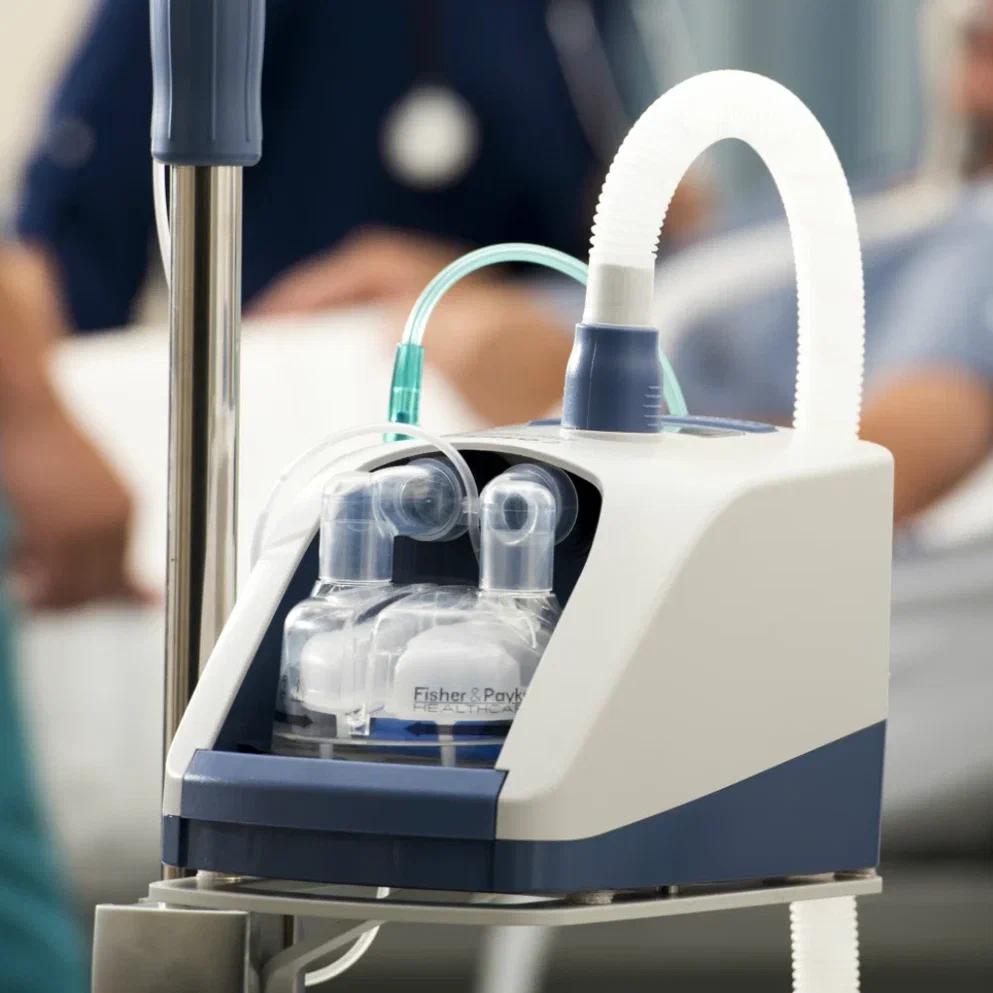
High-flow oxygen therapy is a modern respiratory support method widely used to treat patients with various respiratory conditions. The method delivers a heated and humidified oxygen-air mixture through special nasal cannulas. Gas flow can reach 60–70 liters per minute, ensuring effective oxygen delivery to the patient’s airways. The mixture temperature is maintained at 37°C with 100% humidity, closely matching natural breathing conditions.
High-flow oxygen therapy works by producing a continuous gas flow that improves gas exchange in the lungs and reduces the workload on the respiratory muscles. The method generates moderate positive airway pressure, helping to reopen collapsed alveoli and improve ventilation. The high flow rate also washes carbon dioxide out of the upper airway, further improving gas exchange.
The method covers a wide range of clinical situations. High-flow oxygen therapy is especially effective for patients with hypoxemic respiratory failure when standard oxygen therapy is insufficient. It is widely used in the post-extubation period, in the treatment of viral pneumonia including COVID-19, and as preoperative preparation for difficult intubation. It is also used in palliative care for patients with chronic lung disease.
The method’s limitations must be considered when choosing a treatment strategy. High-flow oxygen therapy is not recommended for severe hypercapnia, upper airway obstruction, or a high risk of aspiration. It may also be uncomfortable for patients at flows above 50 L/min. Efficacy is assessed by changes in blood oxygen saturation, respiratory rate, and blood gas values within the first hours of use. If no improvement is seen, more invasive respiratory support methods may be required.